Hyundai and Kia Jump as the Rest of Seoul Sinks
Hyundai Motor shares rose 3.53 percent and Kia shares rose 5.22 percent in Seoul on Thursday, November 5, while the KOSPI index fell 5.28 percent.
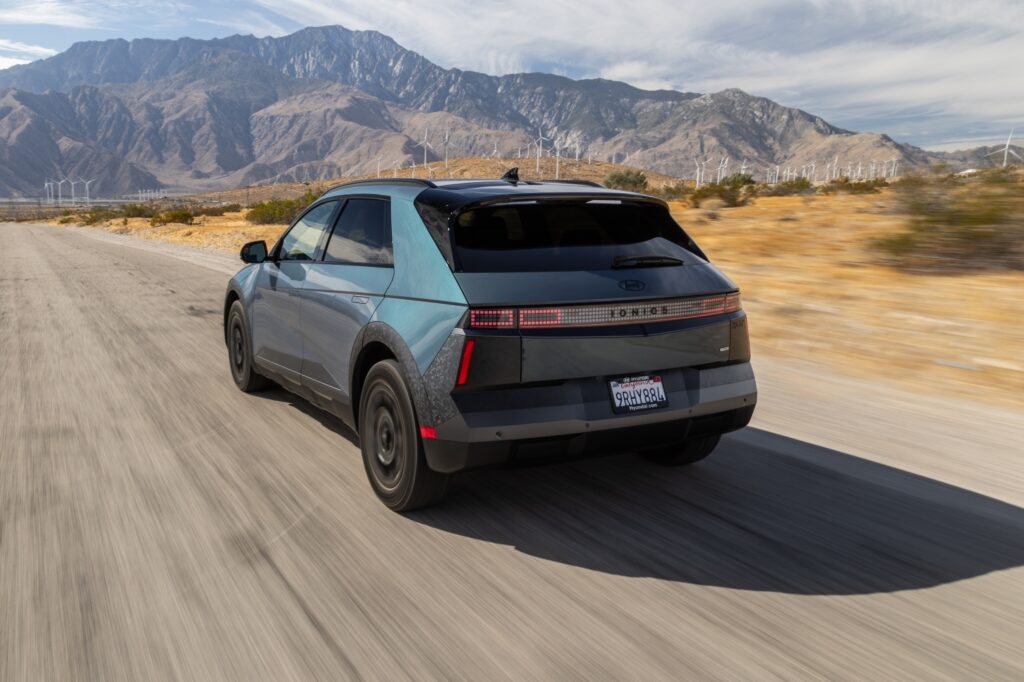
Hyundai Motor shares rose 3.53 percent and Kia shares rose 5.22 percent in Seoul on Thursday, November 5, while the KOSPI index fell 5.28 percent. It was the first trading session after the Democratic sweep of the US midterm elections. Hyundai closed at 293,500 won and Kia at 100,800 won, while the main index shed 300 points to finish at 5,383.80.
The two automakers were among the few large Korean companies to end the day higher. Samsung Electronics fell 7.57 percent and SK hynix fell 9.46 percent as investors sold chipmakers on fears that the new Democratic Congress, which takes control in January, will tighten the rules on AI data centers and slow AI investment. Foreign investors sold a net 3.39 trillion won of Korean shares, and a sell-side sidecar halted program trading for five minutes in the morning.
The closing figures come from Yonhap News Agency, which quoted Kim Seok-hwan of Mirae Asset Securities blaming the "blue wave" for the chip sell-off. The automakers moved the other way because investors read the election as a check on the Trump administration’s tariff policy. Korean financial outlet JKN reported that Hyundai Motor hit 308,000 won right after the open, up 8.64 percent, before settling back, and that the buying reflected expectations of more congressional hearings and oversight of trade policy, along with bargain hunting after a long slide in both stocks.
The slide has been steep. As of November 4, Kia’s market value was down 20.6 percent since the first trading day of the year and Hyundai Motor’s was down 5.6 percent, even as Kia America set six straight monthly US sales records. Cars built in Korea have paid a 15 percent duty to enter the US since the trade deal of 2025, and Hyundai Motor Group has pledged $26 billion in US investment from 2025 through 2028 to build more of what it sells here, including the $450 million expansion of its Alabama plant that will put Tucson Hybrid production in Montgomery.
For US buyers, Thursday’s rally changes nothing yet. Tariff authority rests with the executive branch, so a new Congress can hold hearings and pass bills but cannot cut the 15 percent duty on the Korean-built Elantra, Sonata, Kona, Ioniq 5 N, Kia K5, Seltos, Carnival and EV6 on its own, and JKN noted that no easing has been confirmed. The outlets also flagged the same headwinds that drove the stocks down in the first place: a stronger won that shrinks the dollar earnings Hyundai and Kia send home, heavier incentives in a more competitive US market, and the cost of the Georgia Metaplant and the other US factories the group is building to get around the tariff. A Korean industry economist told The Korea Times this week that the election is more likely to change how tariffs are applied than how high they are.
The HyundaiHQ Take
A 5 percent gain on a day the whole market fell 5 percent says more about where Hyundai and Kia had been than where they are going. Both stocks had been sold down hard on tariff costs and thinner margins, so any hint that Washington might loosen its grip was always going to bring buyers back. The hint is all there is for now, and the group’s own answer to the tariff, building cars in Georgia and Alabama instead of shipping them from Ulsan, does not get cheaper because a few Senate seats changed hands. If the new Congress actually moves on tariffs or EV incentives, that will be worth a much bigger story. Until then, Thursday was a relief rally, and relief rallies fade.
Related
Hyundai’s $12.6 Billion Georgia Bet Now Answers to a Democrat
Georgia, home to Hyundai Motor Group's Metaplant and Kia's West Point assembly plant, elected Democrat Keisha Lance Bottoms as governor on November 3, with 54.3 percent of the…
Hyundai Won’t Bet on a Single Powertrain
Hyundai Motor Group has laid out a roadmap that keeps four kinds of electrified vehicle in development at once, at a world engineering summit it is hosting this…
Hyundai Wants First Call on a Vietnam Plant’s Battery Graphite
Hyundai Motor Group signed a letter of intent on November 3 to consider investing about 100 billion won, roughly $70 million to $74 million, in a battery materials…
Comments (0)
Join the discussion