Hyundai Bets $450 Million on Alabama to Dodge the Tariff on Tucson Hybrids
Hyundai is spending about $450 million to ready its Montgomery, Alabama plant for the all-new Tucson, a refreshed Santa Fe and new hybrid and range-extender engines.
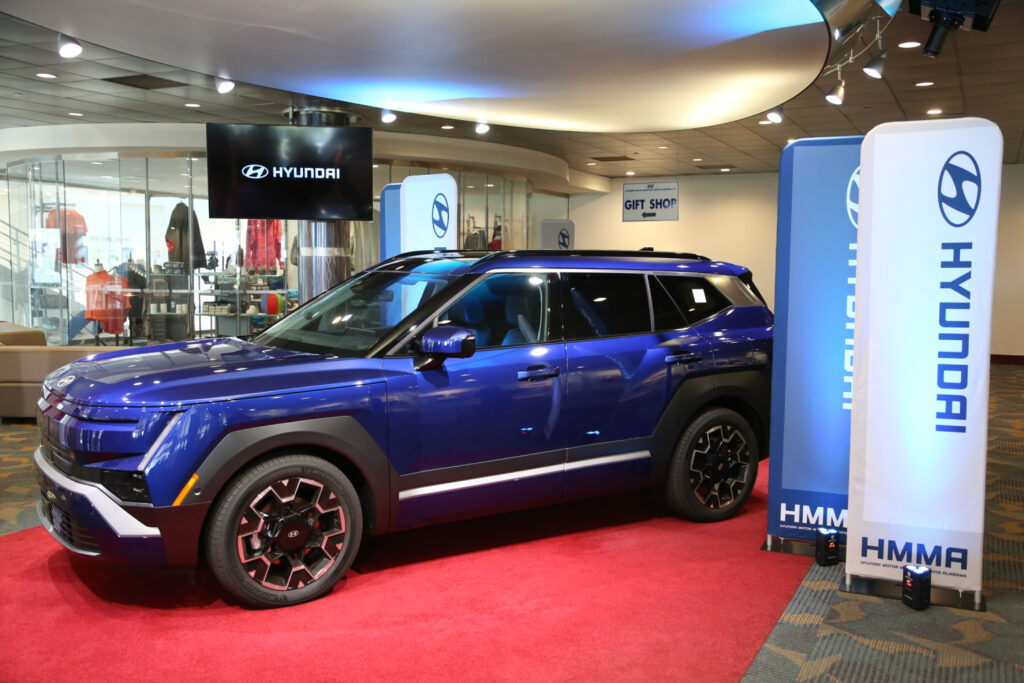
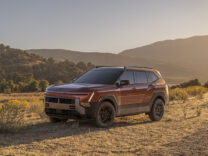
Hyundai is spending about $450 million to ready its Montgomery, Alabama plant for the all-new Tucson, a refreshed Santa Fe and new hybrid and range-extender engines. The package puts the hybrid version of Hyundai’s best-selling US model on American soil for the first time.
The package brings Hyundai’s total investment in the plant to nearly $2.2 billion since production began in 2005 and is part of the $26 billion that Hyundai Motor Group has committed to the US from 2025 through 2028. Production of the all-new Tucson in Montgomery starts before the end of this year, and the plant will also take on the refreshed Santa Fe, with new equipment, tooling and infrastructure for both programs. On the engine side, Hyundai is expanding its powertrain shop to build more engine variants, including ones designed for hybrid and extended-range electric vehicle duty, which the company says will give the plant more flexibility to follow demand.
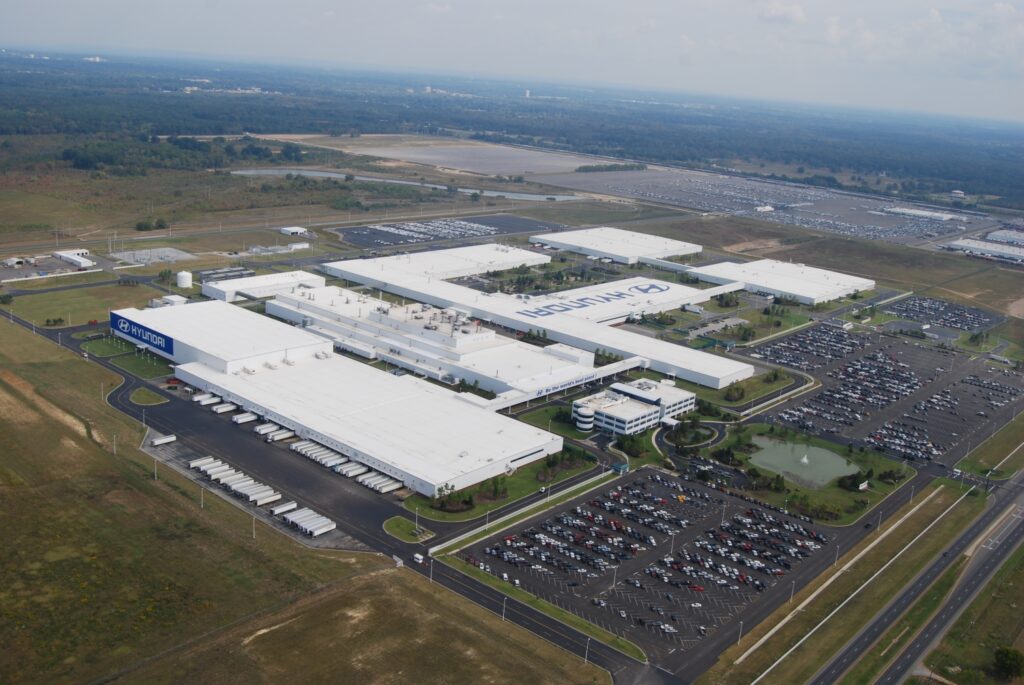
Hyundai announced the investment on October 28 at an event attended by Alabama Gov. Kay Ivey and Kyung-wha Kang, South Korea’s ambassador to the United States. "Today marks another significant milestone in Hyundai’s commitment to Alabama and to the future of manufacturing in the United States," said Mark Rader, the plant’s president and CEO. The release says Hyundai Motor Company President and CEO José Muñoz first outlined the plan in late September, and Kang called the investment "an outstanding example of the ROK-U.S. alliance in action."
The headline number has moved around. Hyundai’s own release calls it nearly $500 million in the title and approximately $450 million in the text, and the Montgomery Advertiser reported on October 5 that Muñoz had put the figure at $500 million. The newspaper also reported what the release leaves implicit: the money brings Tucson Hybrid assembly to Montgomery, where the plant already builds gas Tucsons while the hybrids have been imported from South Korea, and vehicles built in the US avoid the 15 percent tariff that the 2025 trade deal set on Korean imports. The engine work covers the internal combustion engines used in both the Tucson Hybrid and the Santa Fe extended-range EV.
That matters because the Tucson is Hyundai’s volume leader in the US and its hybrids are driving the growth. Hyundai sold 64,075 Tucsons in the third quarter, up 23 percent and a record for the quarter, and hybrids made up 28 percent of its September volume. On its third-quarter earnings call this week, Hyundai said the new Tucson reaches North America in the fourth quarter and that it expects incentives to fall as the new models arrive, and its finance chief said US tariffs cost the company about 4 trillion won last year with a similar bill expected this year, according to a transcript of the call.
For buyers, the practical effect is that the redesigned 2027 Tucson, including the hybrid, will be an Alabama-built car, and the Santa Fe that follows will come down the same line with an engine built in the same complex. Montgomery currently builds the Santa Fe, Santa Fe Hybrid, Tucson and Santa Cruz with about 4,200 workers, and the release did not say how many jobs the new spending adds or when the refreshed Santa Fe arrives.
The HyundaiHQ Take
Hyundai was always going to do this once the tariff math changed, and the surprise is only that it took until the Tucson changeover to make it official. Importing every Tucson Hybrid from Ulsan while paying 15 percent at the border made no sense for a model whose hybrid share keeps climbing, and the engine investment says Hyundai intends to keep the hybrid and range-extender hardware local rather than ship it over. Toyota already builds the RAV4 on this side of the Pacific, so this is Hyundai catching up on the one thing that still gave its biggest rival a cost edge in the compact SUV fight, and the 4 trillion won tariff bill is the clearest reason the company can find to spend $450 million in a year when it is cutting investment everywhere else.
More on the Santa Fe
Related
2026 Elantra and Tucson Hybrid Recalled Over Loose Strut Bolts
Hyundai Motor America is recalling 24 of its 2026 Elantra sedans and Tucson Hybrid SUVs because the bolts holding the front struts to the steering knuckles may not…
Kia Set a Sales Record in September While Its EVs Fell
Kia America sold 77,009 vehicles in September, its best September ever, and pushed third-quarter sales to a record 236,659.
All-New Tucson Debuts in New York With a 42-MPG Target
The all-new 2027 Hyundai Tucson made its world premiere in New York on October 1 as a bigger, squarer compact SUV with a hybrid Hyundai is targeting at…
Comments (0)
Join the discussion