Congress Changed Hands, but Hyundai’s Tariff Bill May Not
Democrats won control of both chambers of Congress in the November 3 midterm elections, but a Korean industry economist warned that Hyundai Motor Group's 15 percent US tariff is unlikely to fall soon.
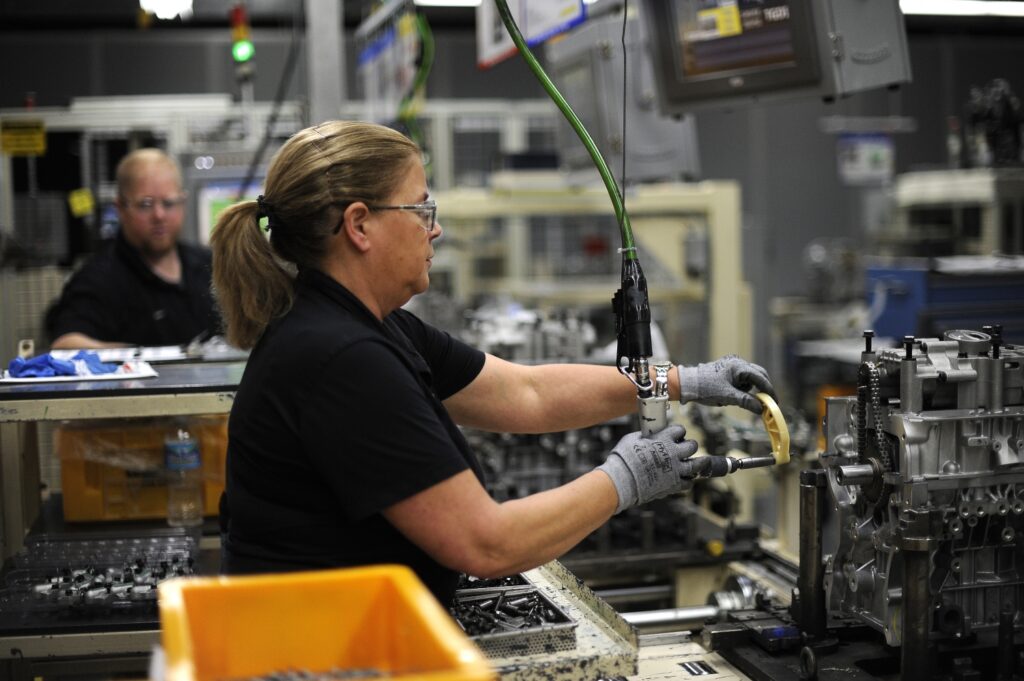
Democrats won control of both chambers of Congress in the November 3 midterm elections, but a Korean industry economist warned that Hyundai Motor Group’s 15 percent US tariff is unlikely to fall soon. His view is that a new Congress will change how tariffs are applied far more than how high they are.
The stakes for Hyundai, Kia and Genesis are large. Cars built in Korea pay a 15 percent duty to enter the US and steel pays 50 percent, under tariffs the Trump administration has applied since April 2025. Hyundai Motor Group has pledged $26 billion, or 35 trillion won, for US investment from 2025 through 2028, aimed mainly at localizing production, from the $450 million expansion of its Alabama plant announced in October to a $5.8 billion electric arc furnace steel mill in Louisiana that is due to start operating in 2029.
"The biggest risk is weakened bargaining power after the investment is made," Shin Won-kyu, head of the global economic research team at the Federation of Korean Industries, told The Korea Times. "Plants cannot easily be moved once built, while tariff rates or calculation methods can change with a single proclamation." Shin expects stronger scrutiny from Congress to change how tariffs are carried out rather than deliver substantial cuts in the near term. Hyundai Steel held the launch ceremony for the Louisiana mill on September 4.
The two parties reach for different tools, the paper noted. Republicans have leaned on tariffs, while Democrats have generally favored subsidies combined with stricter labor and country-of-origin requirements, and Shin said "there is a bipartisan consensus on reviving U.S. manufacturing." His advice to Korean companies is to "prepare for an environment where tariffs swing less, but the rules become more demanding," to put numbers on the American jobs and sourcing they create, and to keep research, core materials and high-value parts in Korea while building in the US whatever needs direct access to the American market. He also said Washington should make it easier to carry out the investments already promised, including visas for skilled Korean workers and faster permits.
The new majorities were still being finalized on November 4. Democrats won the House early that morning and took the Senate by flipping seven Republican-held seats, with the race in Mississippi still too close to call, according to the Washington Examiner’s live coverage.
The HyundaiHQ Take
For American shoppers, the tariff has never been an abstraction: it is part of why Hyundai is racing to move hybrid production of the Tucson to Alabama and why Korean-built models carry the prices they do. A Democratic Congress is unlikely to hand Hyundai a quick refund, and the stricter origin and labor rules Democrats tend to favor could even make life harder for the models still shipped from Korea. The smart bet is the one Hyundai has already made, which is to build more of its best sellers here, and the midterms just made that strategy look less like a hedge and more like the only plan.
Related
Hyundai Wants First Call on a Vietnam Plant’s Battery Graphite
Hyundai Motor Group signed a letter of intent on November 3 to consider investing about 100 billion won, roughly $70 million to $74 million, in a battery materials…
Hyundai Jumps Two Places Among the World’s Most Valuable Car Brands
Hyundai ranked 29th in Interbrand's Best Global Brands 2026 report, released on October 28, with a brand value of $25 billion, and it climbed from sixth to fourth…

Hyundai Wants AI That Can Weigh a Trailer Without a Scale
Since October 16, Hyundai's technical center in Michigan has been recruiting an engineer to build AI that can estimate a trailer's weight, payload and tire grip without dedicated…
Comments (0)
Join the discussion