The EV Kia Won’t Sell Here Just Tripled Its Sales at Home
Hyundai and Kia sold 12,267 of their dedicated electric vehicles in South Korea in October, nearly double the 6,261 they sold a year earlier and 62.5 percent more than in September.
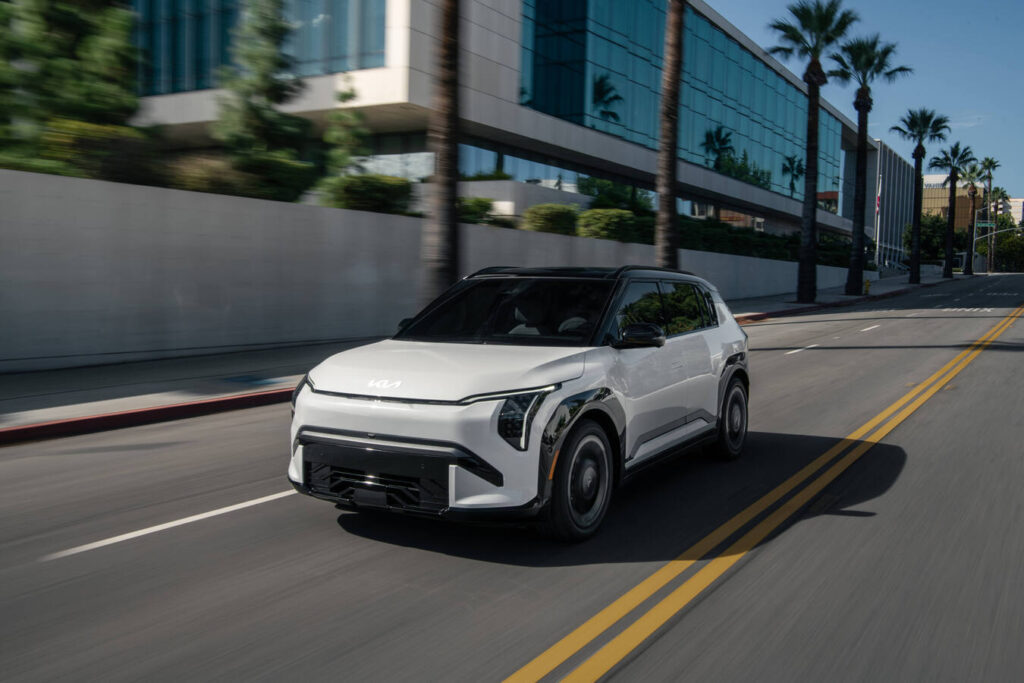
Hyundai and Kia sold 12,267 of their dedicated electric vehicles in South Korea in October, nearly double the 6,261 they sold a year earlier and 62.5 percent more than in September. The surge was led by the two cheapest EVs in the group’s lineup, one of which Kia has no plans to sell in the United States.
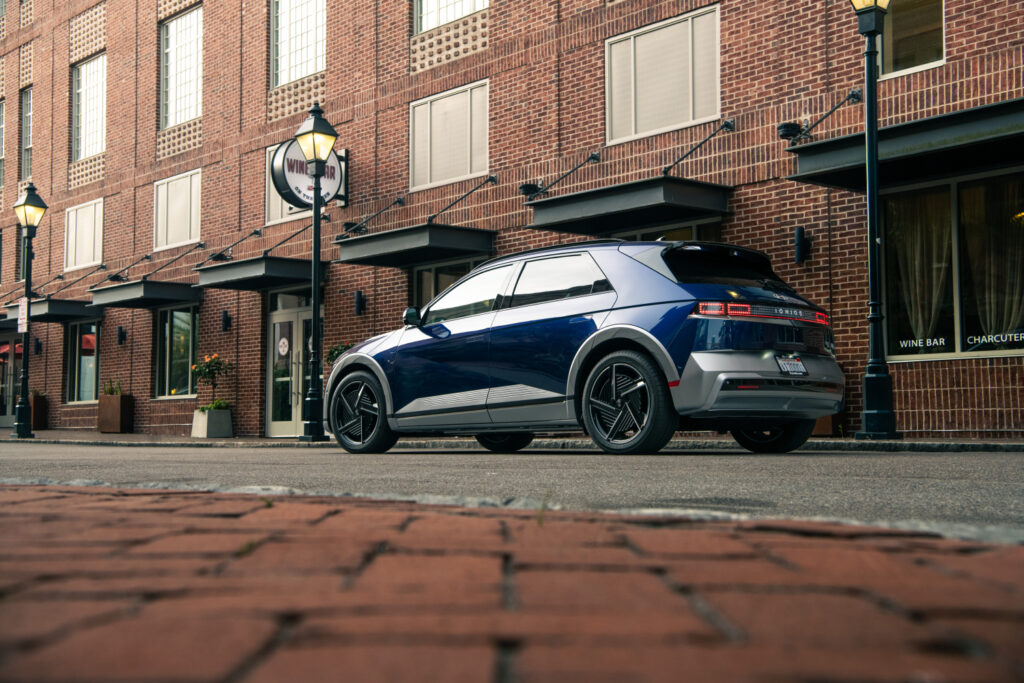
The Kia EV5 found 3,558 Korean buyers in October, up 209.4 percent from a year earlier, and the smaller EV3 added 3,124, up 119.5 percent. Kia’s EV-badged models together reached 8,650 sales, a gain of 110.1 percent, while Hyundai’s Ioniq range rose 68.8 percent to 3,617, with the Ioniq 5 contributing 1,903 of those on a 71.6 percent increase. For the first ten months of the year the two brands have sold 116,159 dedicated EVs at home, 77.1 percent more than in the same period of 2025.
The figures come from a BusinessKorea report published on November 9. Hyundai and Kia have not confirmed the model-level EV figures, which do not appear in their own sales releases, so the individual model numbers are the outlet’s until the automakers publish them. Kia’s October sales release does confirm the broader picture: the brand’s Korean sales rose 27.5 percent to 51,007 in October, its global total climbed 10.3 percent to 291,219, and a company official said sales have now grown year over year for eight straight months. The same official said Kia will lean on electrified vehicles to keep the momentum going in the fourth quarter, with hybrids carrying the load in the United States and EVs doing so in Europe.
The report credits three forces for the October jump. Affordable models like the EV5 and EV3 have widened the pool of buyers, automaker discount programs have sweetened the deals, and a looming change to Korea’s subsidy rules may have pulled purchases forward. The government is considering lowering the price ceiling for the full national EV subsidy from 53 million won to 50 million won next year, which gives shoppers a reason to buy before the rules tighten. The home market is also getting more crowded. Chinese-built passenger EVs registered in Korea reached 112,417 in the first nine months of the year, 2.2 times the year-earlier figure, for a 43.5 percent share of the EVs sold there.
Globally the group is outrunning the market. Citing SNE Research, the report puts Hyundai Motor Group’s worldwide EV deliveries at 575,000 for January through September, up 19.0 percent in a market that grew 5.8 percent, lifting its share from 3.2 percent to 3.6 percent.
The American picture is different, and smaller. Hyundai Motor America’s own October release shows the Ioniq 5 up 21 percent for the month at 1,981 sales, but down 23 percent for the year at 33,093. The Ioniq 6 recorded no October sales at all against 398 a year ago and is down 86 percent year to date, and the Ioniq 9 slipped 47 percent to 169 for the month even as it remains up 49 percent for the year. Hyundai’s growth here is coming from hybrids, which set an October record and accounted for 29 percent of its total volume. Kia America had a better month on the electric side, with electrified sales up 112 percent as the EV9 more than doubled to 1,406 and the EV6 rose to 803 from 508, though those are small numbers next to Korea’s. The EV5, the car doing the most to drive Kia’s EV growth at home, is not offered in the United States. The EV3 is, having arrived for 2027 with a starting price just under $30,000 and up to 321 miles of EPA-estimated range, and it found 976 American buyers in October against 3,124 in Korea.
The HyundaiHQ Take
Korean buyers are proving a point American dealers already know: price moves EVs. The two models carrying Kia’s EV business at home are the ones that cost the least, and the one that tripled is the one Kia decided Americans would not get. Subsidy timing inflated October, and the numbers will probably cool once the new ceiling takes effect, but the gap between a home market where EVs nearly doubled and a US market where Hyundai’s electric sedan sold zero cars in a month says a lot about where the group’s EV push is actually working right now.
More on the Kia EV3
Related
Half the Year’s Best-Brand Trophies Just Went to Hyundai and Genesis
Hyundai Motor Group came away with three of the six brand awards handed out for 2027.

Hyundai Just Put a Task Force on Its Half-Idle Georgia Plant
Hyundai's Georgia EV factory used only 41.4 percent of its capacity in the first nine months of the year, and a new task force run by the plant's…
Hyundai’s First Waymo Robotaxis Ship Next Month
Hyundai will hand over its first Ioniq 5 robotaxis to Waymo in December, chief executive José Muñoz said on Tuesday, putting a month on a delivery once promised…
Comments (0)
Join the discussion