Half the Year’s Best-Brand Trophies Just Went to Hyundai and Genesis
Hyundai Motor Group came away with three of the six brand awards handed out for 2027.
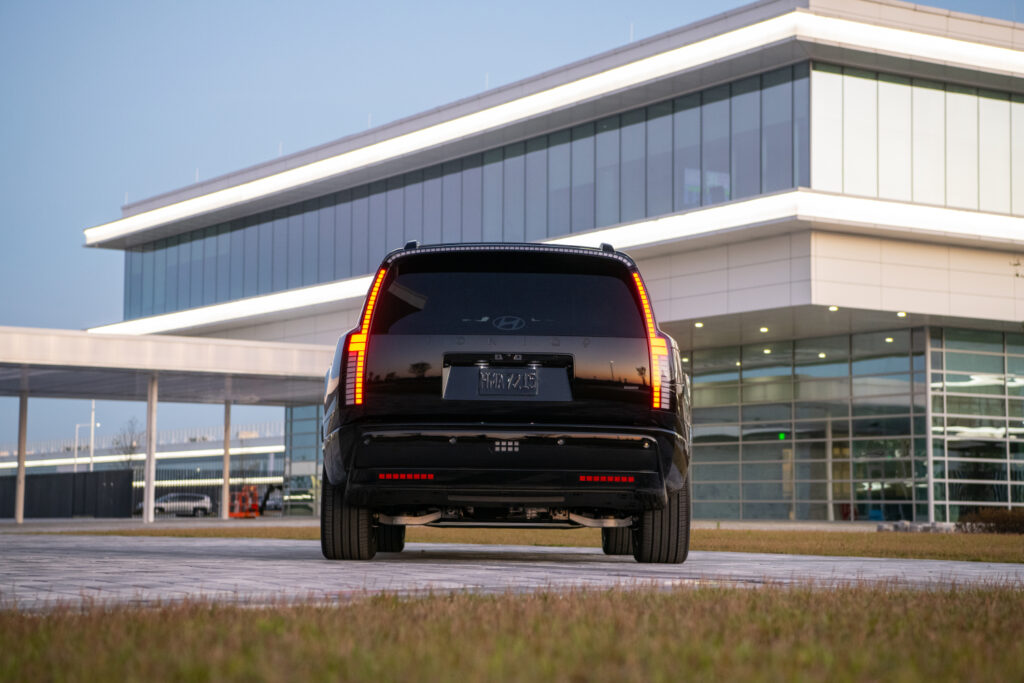
Hyundai Motor Group came away with three of the six brand awards handed out for 2027. Hyundai was named the best SUV brand and, for the first time, the best electric vehicle brand, while Genesis kept its title as the best luxury brand. The other three went to Mazda for cars, Ram for trucks and Lucid for luxury electric vehicles, which leaves no Toyota, Lexus or Kia among the winners.
The electric award is the new one for Hyundai. The category only began last year, when the judges split electric vehicles out of the main classes so that young EV-only makers could be scored against the established brands, and Hyundai took it on the strength of an electric lineup that is, for now, made up entirely of SUVs.
The awards come from U.S. News & World Report, which looked at the lineups of 39 automakers and published its picks on November 19. There is no separate jury vote: each brand’s score is the average of the overall ratings its models carry in a category, and those ratings are built from safety results, reliability data, the consensus of published reviews and the magazine’s own testing. Hyundai announced its two wins in a pair of releases dated a day earlier, one for the electric vehicle award and one for the SUV award.
Two Ioniqs Carry the Electric Award
The Ioniq 5 and Ioniq 9 did most of the work. Hyundai said the Ioniq 5 has now been named the best compact electric SUV three years running, while the three-row Ioniq 9 took the midsize electric SUV title in April. In 2027 form the Ioniq 5 reaches an EPA range of 318 miles with rear-wheel drive in SE, SEL and Limited trims, drops to 260 miles with all-wheel drive and to 245 miles as the SE Standard Range, and Hyundai quotes about 20 minutes for a 10 to 80 percent charge on a 350-kW charger. The seven-seat Ioniq 9 is rated at as much as 335 miles. Georgia builds both of them, at the Metaplant outside Savannah.
Five model years in, Hyundai’s smaller Ioniq still ranks first among electric SUVs in the magazine’s ratings, and its three-row sibling scores level with Ford’s Mach-E just behind. A third member is on the way: the Ioniq 6 N, a high-performance sedan Hyundai has scheduled for 2027.
Ricky Lao, who directs product planning at Hyundai Motor North America, said the award reflects a lineup designed "around the evolving needs of customers," from family three-rows to off-road and performance versions.
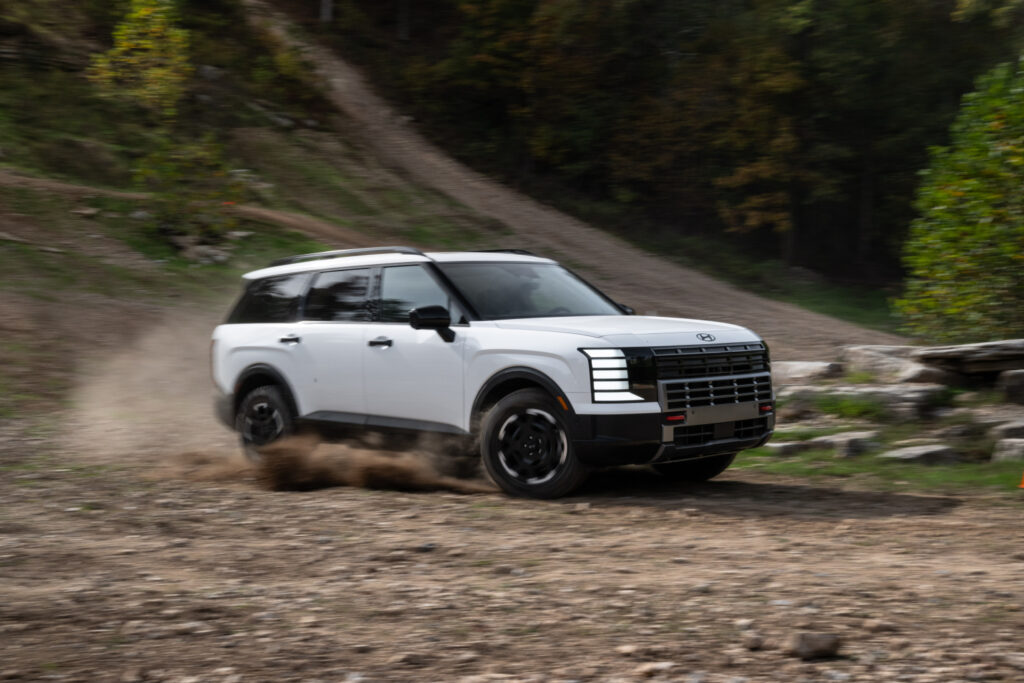
Hyundai describes the SUV award as its third in a row. Alex Kwanten, who edits the magazine’s automotive coverage, pointed to the breadth of the range: "Hyundai builds ten different SUVs that cater to many different price points and buyers, but all are consistently stylish, well-executed, well-equipped and backed by a long warranty."
At the bottom is the Venue, the tiniest SUV on the American market, where the magazine notes that even the most expensive trim starts below $23,000. Above it sit the Kona, the Tucson, the Santa Fe, the Palisade and, at the top, the electric Ioniq 9, most of them offered with a hybrid. The Tucson collected the magazine’s compact SUV awards for value, families and camping, the Tucson Hybrid was named the best compact hybrid SUV, and the Palisade Hybrid won awards for families and road trips in its first year on sale.
Genesis Holds Off Porsche Again
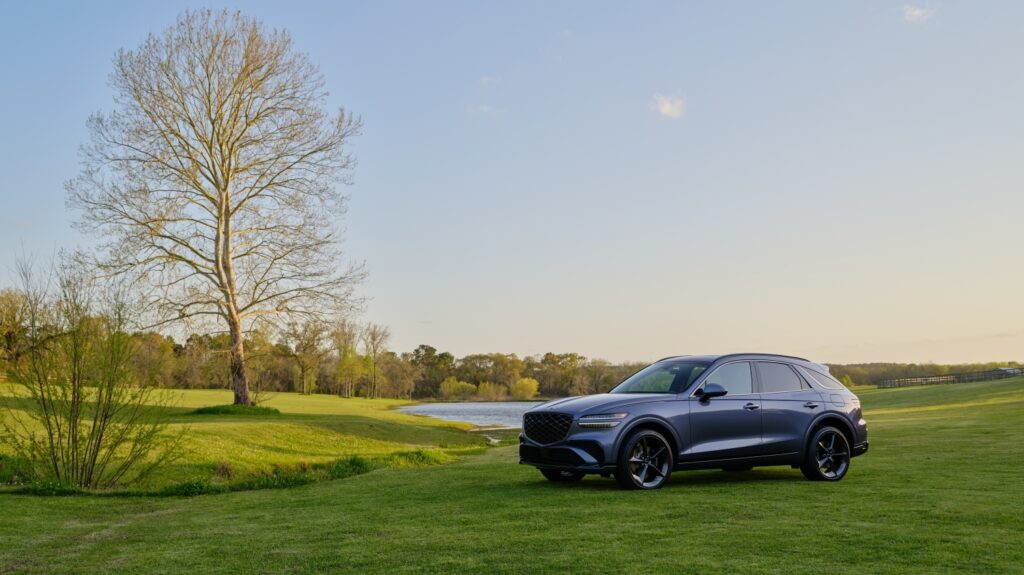
Genesis won the luxury category for the second straight year, after breaking a long run of Porsche wins last year. Two Genesis crossovers hold first place in their classes: the GV70 among compact luxury models and the larger GV80 one size up, where it outranks Porsche’s Cayenne and the GLE from Mercedes. The brand’s big sedans each finish runner-up. The write-up also credits the brand’s warranty and its three years of complimentary maintenance with valet pickup.
The HyundaiHQ Take
An award built on averages rewards a maker that has no weak models, and that is the real story here: Hyundai has ten SUVs and none of them drags the number down. The electric win is the more interesting one, because it arrives in a year when the federal EV credit is gone and the plant in Georgia that builds both winning Ioniqs is running well below capacity. A trophy does not sell cars, but a buyer cross-shopping an Ioniq 5 against a Mach-E or a Model Y now has one more reason to take the test drive.
Kia’s absence stands out more than Toyota’s. The EV9 and EV6 share their bones with the winning Ioniqs, and Kia’s SUV range is nearly as broad as Hyundai’s, yet it did not take a category. For Genesis, two straight luxury titles over Porsche, Mercedes and BMW is no longer an upset; it is a pattern the German brands should be worried about.
More on the Palisade
Related
Genesis GV70 Deals for November 2026: Leases From $409 a Month
Genesis is offering the 2027 Genesis GV70 2.5T AWD on a lease from $409 a month and financing from 0.99% for 36 months on the 2027 Genesis GV70…
2021-2026 Genesis Models Recalled Over Fuel Leak
In April 2026, Hyundai Motor America began recalling select 2021-2026 Genesis vehicles across 4 models over a potential fuel leak.
2025-2026 Genesis Models Recalled Over Instrument Panel Issue
In January 2026, Hyundai Motor America began recalling select 2025-2026 Genesis vehicles across 6 models over a gauge cluster that may fail.
Comments (0)
Join the discussion