Genesis Bet on an All-Electric Future, Then Changed Its Mind
Genesis spent most of its first decade planning to go straight from gasoline engines to electric cars, and Hyundai's chief executive now says that plan was wrong.
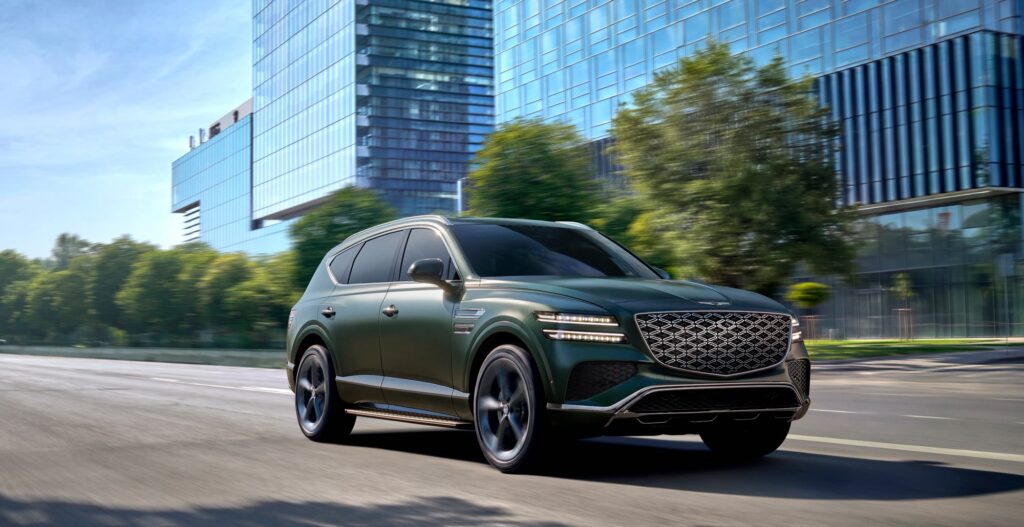
Genesis spent most of its first decade planning to go straight from gasoline engines to electric cars, and Hyundai’s chief executive now says that plan was wrong. José Muñoz said the luxury brand added hybrids because buyers in nearly every major market want them, and because the company realized the future would not be electric alone.
"So everybody thought, and we thought as well, that the future was going to be just electric. And then we made a product plan for Genesis that was transitioning from ICE into electric. But then we soon realized, and we weren’t the only ones that realized, that the world was not going to be just electric, that there would be a lot of other things," Muñoz said.
He made the comments to reporters after the reveal of the G80 and GV80 hybrids in Los Angeles, as reported by CarBuzz, which asked why Genesis waited so long. His explanation for the lag was that Genesis had expected EVs to catch on faster, and that changing course took time once it was clear they would not.
The demand case he made was global. "We see hybrids booming in the United States. We see hybrids booming in Europe. We see in Korea, which is a little bit more traditional market, also booming. We see Central and South America, too," he said. He added that the Hyundai brand is seeing the same rise in hybrid demand and that buyers are discovering hybrids perform well, and he tied the move to Genesis’s plan to expand into many more countries.
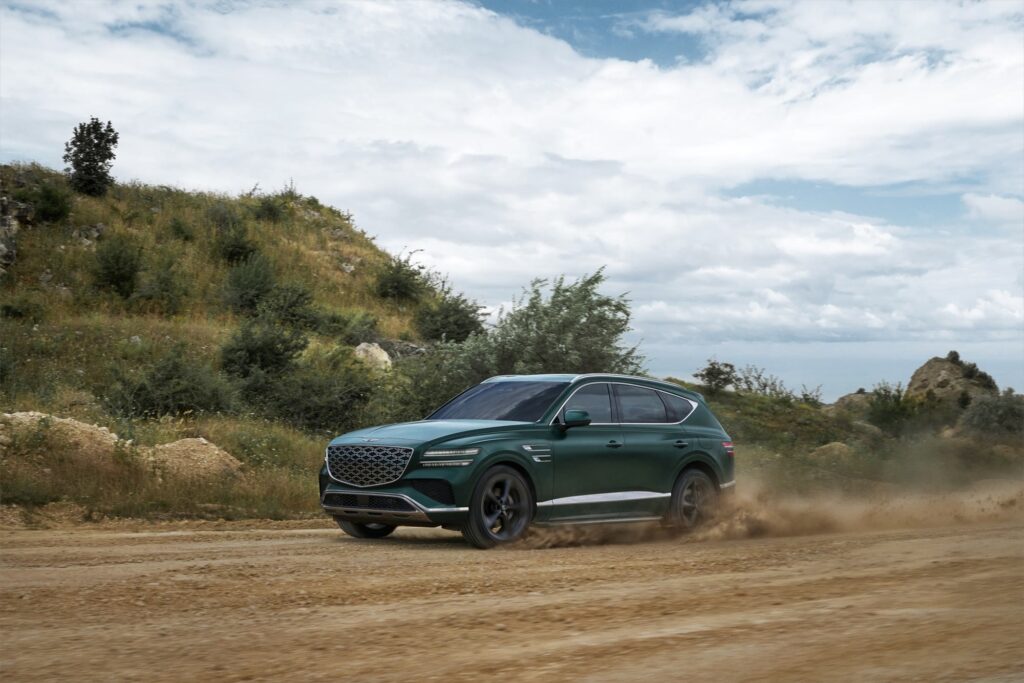
The hybrids are only the first step. Next year brings a Genesis that drives on electricity but carries a gasoline engine as an onboard generator, and Muñoz sees that kind of car as a bridge. In his view, someone who owns a hybrid or a range-extender is a likely EV customer next time around, and once people switch to a battery car they rarely go back. He also prefers the range-extender layout to a typical plug-in hybrid, since the driver always gets the smooth feel of an electric motor without being tied to a charger.
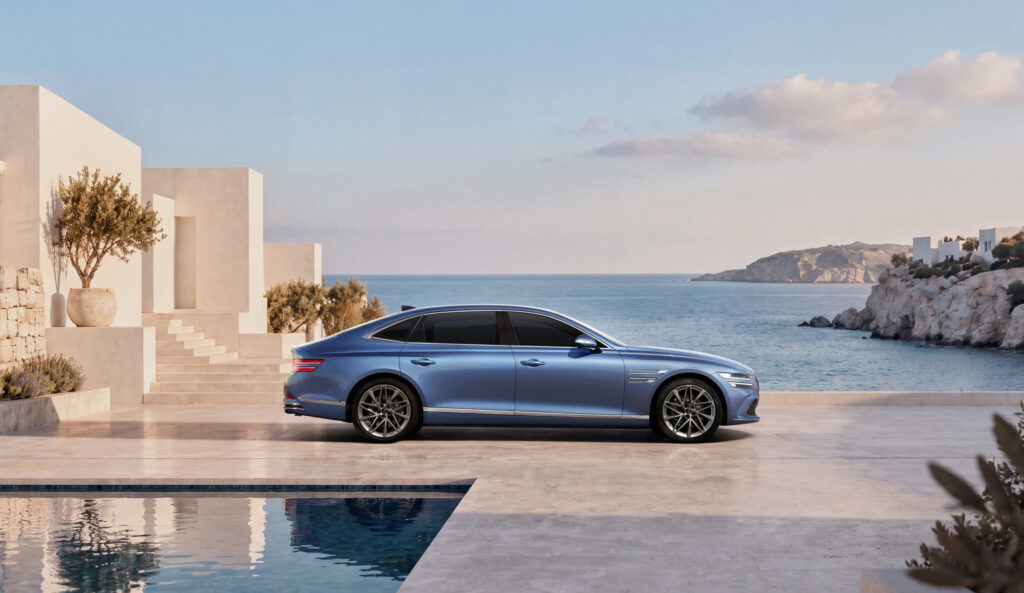
Genesis still sells fully electric models alongside the new hybrids, so the change adds choices for American buyers rather than taking any away.
The HyundaiHQ Take
It is rare for a chief executive to say out loud that the product plan was built on a wrong guess, and Muñoz deserves credit for the candor. It also explains why Genesis showed up to the luxury hybrid party roughly a decade behind Lexus. The more interesting idea is the extended-range model as a bridge, because if Muñoz is right that hybrid owners graduate to EVs and EV owners rarely go back, the hybrids are less a retreat than a recruiting tool. For buyers in the US, the practical upshot is simple: a G80 or GV80 that does not ask you to change how you refuel is finally on the way.
More on the Genesis GV70
Related

Hyundai Is Booming in America and Slumping at Home
The three SUVs that carry Hyundai in America are losing buyers fast in South Korea.
Genesis Hybrids Pack V6 Torque Into a Four-Cylinder
Genesis is finally getting hybrids in America, and its first two pull as hard as its V6.

Genesis G80 Deals for November 2026: Leases From $609 a Month
Genesis is offering the 2027 Genesis G80 2.5T AWD on a lease from $609 a month and financing from 0.99% for 36 months on the 2027 Genesis G80…
Comments (0)
Join the discussion