Hyundai’s Robotaxi Gets Half the Range of a Retail Ioniq 5
The 2027 Hyundai Ioniq 5 Robotaxi is rated at 168 miles of range, a little more than half of what the rear-drive Ioniq 5 at dealers can go.
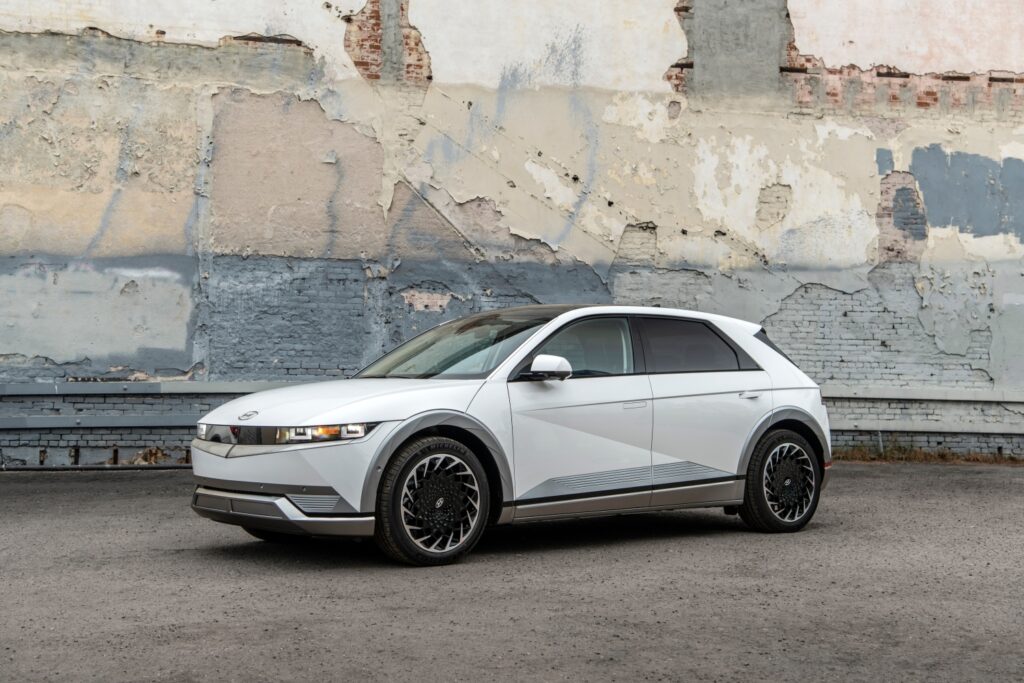
The 2027 Hyundai Ioniq 5 Robotaxi is rated at 168 miles of range, a little more than half of what the rear-drive Ioniq 5 at dealers can go.
The driverless version is listed at 71 MPGe combined, 73 in the city and 69 on the highway, and it uses 48 kWh of electricity to cover 100 miles. The ordinary 2027 Ioniq 5 with rear-wheel drive is rated at 318 miles and 114 MPGe on 30 kWh per 100 miles, and even the thirstiest retail model, the all-wheel-drive XRT, is rated at 259 miles and 94 MPGe. The robotaxi uses 60 percent more energy per mile than the rear-drive car.
The listing appeared on November 6 in the EPA’s fuel economy database, which carries ratings for 36 model-year 2027 Hyundais and often shows new entries before the automaker announces them. The entry is simply named "Ioniq 5 Robo taxi" and does not say whether it is front, rear or all-wheel drive, which fleet it is meant for, or why the figure is so far below the retail car. Hyundai has not announced a 2027 robotaxi, and the number has not been explained publicly. The most obvious reasons are the weight and electrical draw of a roof full of cameras, lidar and radar, plus the computers that run them, all of which pull from the same battery that moves the car.
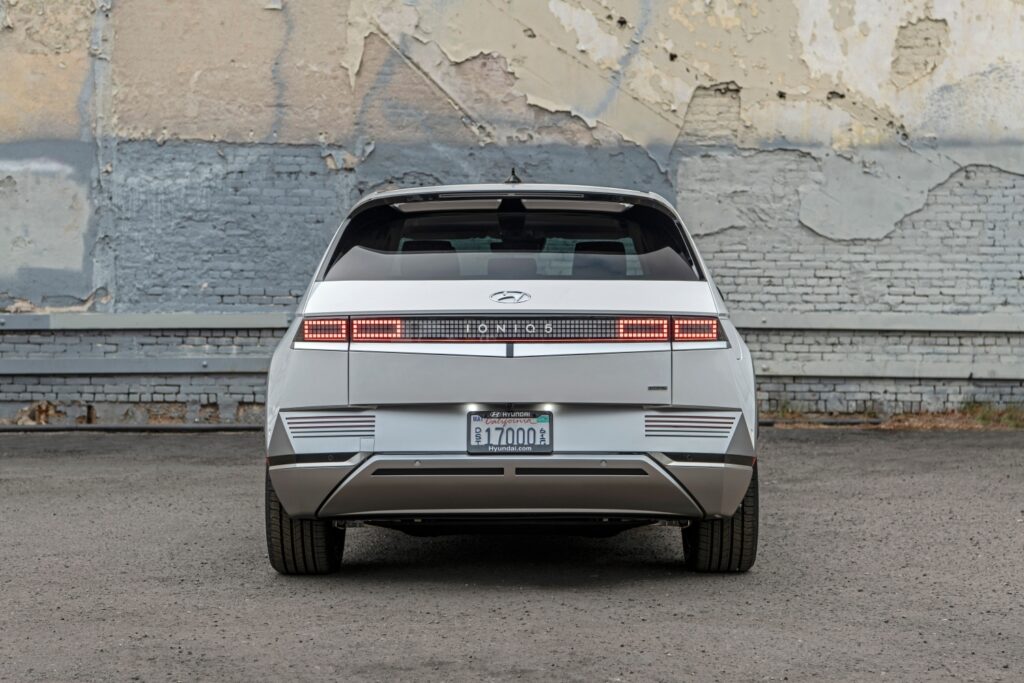
Hyundai has two robotaxi programs built on the Ioniq 5. The one that carries the name is Motional’s. Motional and Uber launched a robotaxi service in Las Vegas on March 13, matching riders who request UberX, Uber Electric, Uber Comfort or Uber Comfort Electric with an Ioniq 5 robotaxi at no extra cost, with pickups at Resorts World, Encore at the Wynn, the Westgate, downtown curbs and the Town Square shopping district near the airport. A vehicle operator sits behind the wheel for now, and the companies said a fully driverless service with no human in the car was expected by the end of 2026. Motional, which is majority-owned by Hyundai Motor Group and based in Boston, says it has given more than 130,000 autonomous rides in its pilot programs and describes the car as one of the first SAE Level 4 vehicles certified under US federal motor vehicle safety standards.
Those cars are not built in Georgia. Hyundai and Motional said in November 2023 that production robotaxis would be assembled at the Hyundai Motor Group Innovation Center Singapore and shipped to Motional’s US operations from 2024. Motional’s chief executive, Laura Major, wrote in February that the company had already begun operating in driverless mode in Las Vegas and would commercialize driverless rides there later this year.
The second program is Waymo’s, and it does run through Georgia. Hyundai agreed in October 2024 to sell Waymo a significant volume of Ioniq 5s built at the Metaplant near Savannah over multiple years, with Waymo fitting its own sensors and software and starting on-road testing in late 2025. José Muñoz, then Hyundai’s North American chief, said the plant was ready to allocate a significant number of vehicles to the Waymo One fleet, and Hyundai said the deal would not affect Motional. The EPA listing does not say which of the two programs it covers.
For comparison, the rest of the 2027 Ioniq lineup on the EPA’s books looks like this:
| 2027 model | Combined MPGe | Range |
|---|---|---|
| Ioniq 5 Standard Range | 115 | 245 miles |
| Ioniq 5 RWD | 114 | 318 miles |
| Ioniq 5 AWD, 19-inch wheels | 106 | 290 miles |
| Ioniq 5 AWD, 20-inch wheels | 98 | 269 miles |
| Ioniq 5 XRT AWD | 94 | 259 miles |
| Ioniq 5 Robotaxi | 71 | 168 miles |
| Ioniq 9 RWD | 92 | 335 miles |
| Ioniq 9 AWD | 88 | 320 miles |
None of this changes what a buyer gets. The retail Ioniq 5 keeps its ratings for 2027, and the robotaxi is a fleet vehicle that no dealer will sell. It matters because the Ioniq 5 is the car Hyundai chose to carry both of its autonomous bets, and because every one of those cars, whether it comes from Singapore or Savannah, is counted as a Hyundai sale.
The HyundaiHQ Take
A 168-mile robotaxi sounds like a problem until you remember what a robotaxi does all day. These cars work a few miles at a time inside a fenced service area, return to a depot to charge, and never need to make Las Vegas to Los Angeles on one fill. What the rating really shows is the cost of the sensor suite, and that is the useful number: a self-driving Ioniq 5 needs roughly 60 percent more electricity to move than the one in your driveway, which is a cost Motional and Waymo pay on every ride. Hyundai’s edge is that it builds the base car cheaply in two countries while its partners worry about the roof. The day that gap closes, the robotaxi gets interesting as a product. Until then, it is a reminder that the Ioniq 5 is quietly becoming the most important platform Hyundai has, and that the company is selling it to robots as well as to people.
Related

Kia Will Spend $2.2 Billion Turning Its Seltos Plant Electric
Kia will invest 3 trillion won, about $2.2 billion, through 2029 on a new electric vehicle building at AutoLand Gwangju, the South Korean plant that builds the Seltos…
2025-2026 Hyundai Ioniq 5 and Ioniq 9 Recalled Over Fire Risk
In February 2026, Hyundai Motor America began recalling select 2025-2026 Hyundai Ioniq 5 and 2026 Hyundai Ioniq 9 models over an increased risk of fire.
Hyundai Had a New Best Seller in Its Record October
The Santa Fe was Hyundai's best-selling vehicle in America in October, edging out the Tucson by 151 units in a month when Hyundai Motor America set an October…
Comments (0)
Join the discussion