Hyundai Loses an Eight-Year Fight Over Two Oil Spills
South Korea's Supreme Court has let stand the fines against Hyundai Motor and an Asan plant safety manager over two waste oil spills in 2018.
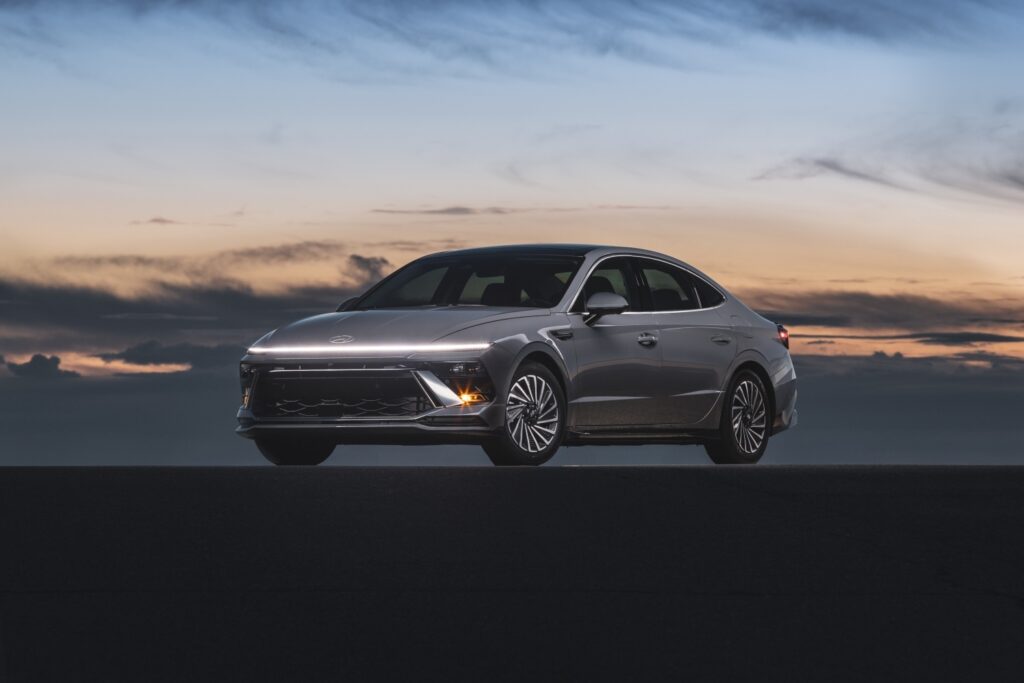
South Korea’s Supreme Court has let stand the fines against Hyundai Motor and an Asan plant safety manager over two waste oil spills in 2018. The case ran for more than eight years, the corporation was fined 5 million won and the employee 2 million won, and both lost every appeal along the way.
The spills themselves happened within six weeks of each other. On January 17, 2018, cutting oil and other waste oil was not separated from the oily water leaving the plant, and some of it passed through the plant’s final catch basin into a nearby stream. On February 28 of the same year, waste oil flowed into the stream again, this time carried by rainwater through the same basin. Prosecutors charged the company and the manager, who had run the plant’s safety and environment team since 2010, with discharging oil into public waters through occupational negligence under the Water Environment Conservation Act.
The ruling was reported by Chosunbiz on November 6, citing legal sources. The Supreme Court’s Second Division, under presiding Justice Oh Kyung-mi, dismissed the appeals on October 8 and found no error in the lower court’s judgment. The plant opened in 1996, and the courts found that Hyundai had never cleaned or inspected the inside of its oily water separator after installing it.
The lower courts were blunt about why. The first trial panel said the defendants "should have properly established a maintenance plan for the oily water separation facility and inspected it periodically, but before this case, there was no plan, and there were no particular inspection logs." The appellate panel went further, finding that the spill happened "even at rainfall levels below the originally designed standard of 5 mm" because the facility "had lost function due to sludge and sediment of more than 200 tons accumulated in the separator."
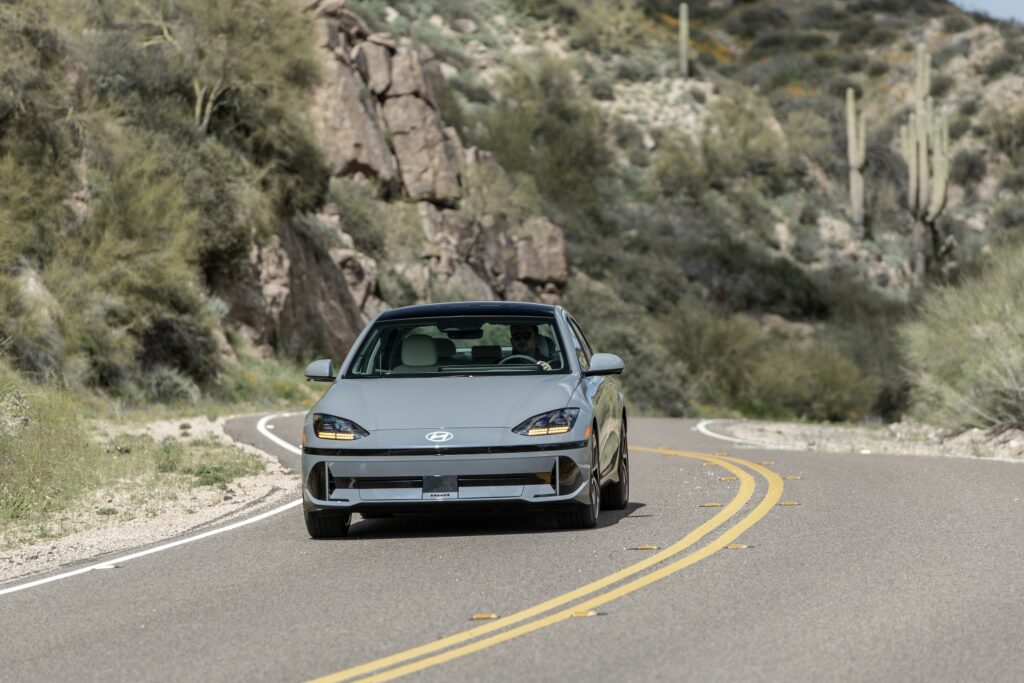
Asan is one of Hyundai’s key domestic plants and builds the Grandeur, the Sonata and the Ioniq 6, according to The Korea Herald, which reported in July that the plant was halted for 18 days to replace aging equipment. The Herald put the plant’s 2025 sales at 9.56 trillion won, about 5.13 percent of Hyundai Motor’s consolidated annual sales of 186.25 trillion won. The Sonata and the Ioniq 6 are both sold in the United States, so American shoppers have a stake in how the plant is run even if the stream in question is half a world away. Nothing in the ruling affects the cars themselves or their warranties.
The HyundaiHQ Take
The fines are small enough to be lost in the rounding of a single day’s output at Asan, so the money is not the story. The finding that matters is 200 tons of sludge in a separator nobody had inspected in more than two decades, at a plant that builds two of Hyundai’s most important sedans for the US. Hyundai spent eight years fighting a 5 million won penalty rather than accepting it, which says something about how the company views the precedent, and the court’s answer was that a maintenance plan is not optional. That is a cheap lesson compared with what a bigger spill would have cost.
Related

Hyundai Had a New Best Seller in Its Record October
The Santa Fe was Hyundai's best-selling vehicle in America in October, edging out the Tucson by 151 units in a month when Hyundai Motor America set an October…
Record September for Hyundai, but Only Three Ioniq 6s Sold
Hyundai Motor America sold a record 77,439 vehicles in September, up 9 percent, while its three Ioniq electric models each fell by 65 percent or more.
Hyundai Kona Deals for November 2026: Leases From $239 a Month
Hyundai is offering the 2026 Hyundai Kona SEL Sport on a lease from $239 a month and financing from 3.49% for 60 months on the 2027 Hyundai Kona…
Comments (0)
Join the discussion