Hyundai’s Louisiana Steel Mill Now Has a Second Fight in Court
Two Louisiana groups went to court on Friday to throw out the air permit for Hyundai's $5.8 billion steel mill in Ascension Parish.
Two Louisiana groups went to court on Friday to throw out the air permit for Hyundai’s $5.8 billion steel mill in Ascension Parish. That permit sets what the mill may put into the air of a parish that is already heavily polluted.
The plaintiffs, RISE St. James Louisiana and the Sierra Club, want the state’s environmental regulator overruled. The Louisiana Department of Environmental Quality posted the final permit on October 27, and the two groups contend that the agency approved it without studying who lives next to the site or whether cleaner equipment could have been required, in a parish whose air is already dirtier than almost anywhere in the country.
Their case is set out in a petition for review dated November 20, summarized in an announcement from the Sierra Club. The sharpest point concerns Hyundai’s own paperwork: the groups say the company’s application once contained an environmental justice study covering the communities around the site, along with the added effect of other plants planned nearby, and that the study was later dropped with no reason given. They also argue that the agency’s weighing of costs against benefits left out environmental harm entirely, and that the public only saw the agency’s reasoning under the state’s public-trust duty once the permit was final and the comment period was over.
Two more technical arguments target the mill’s design and the air data. On equipment, the groups say the agency never did a proper site-specific review of electrifying more of the mill or of mixing green hydrogen into the natural gas it will burn, steps they say would lower both carbon output and smokestack pollution. On air quality, they say the agency judged the mill’s effect on ozone using a monitor in Dutchtown that was not designed to stand in for conditions at the site, while a regional monitor at Carville is nearer.
Andrea Issod, the Sierra Club senior attorney on the case, said the group wants the court to "vacate the permit." Mekaylyn Lavigne, who organizes for RISE St. James in Modeste, said residents there "deserve the truth" and that the agency should be sent "back to the drawing board."
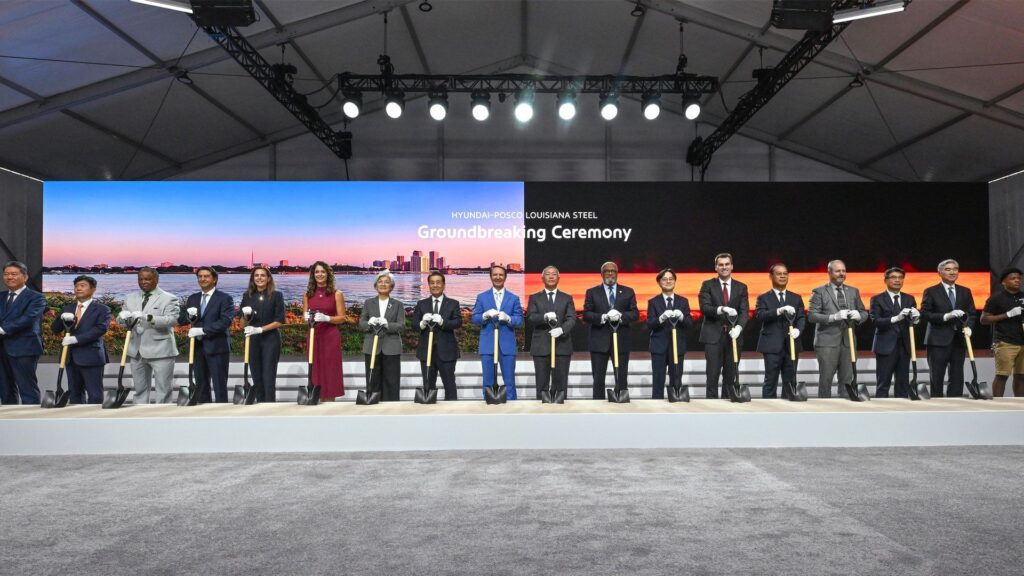
The fight is not new. The Sierra Club filed comments against the application through 2026, and Hyundai Steel later changed its plans to electrify some parts of the mill, which the group credited with lowering expected pollution. When the permit was issued in October, the group said in a statement that it was "exploring our legal options and next steps." It noted then that Hyundai had broken ground in September, before the permit was granted, and that the agency had found the mill would have "no adverse impacts."
The list of pollutants the permit covers is long and includes heavy metals: the groups name lead and mercury, plus ammonia, carbon monoxide, fine particles and smog-forming gases, on top of greenhouse gases. By the groups’ count, Ascension Parish already ranks above 96% of the country for toxic air pollution.
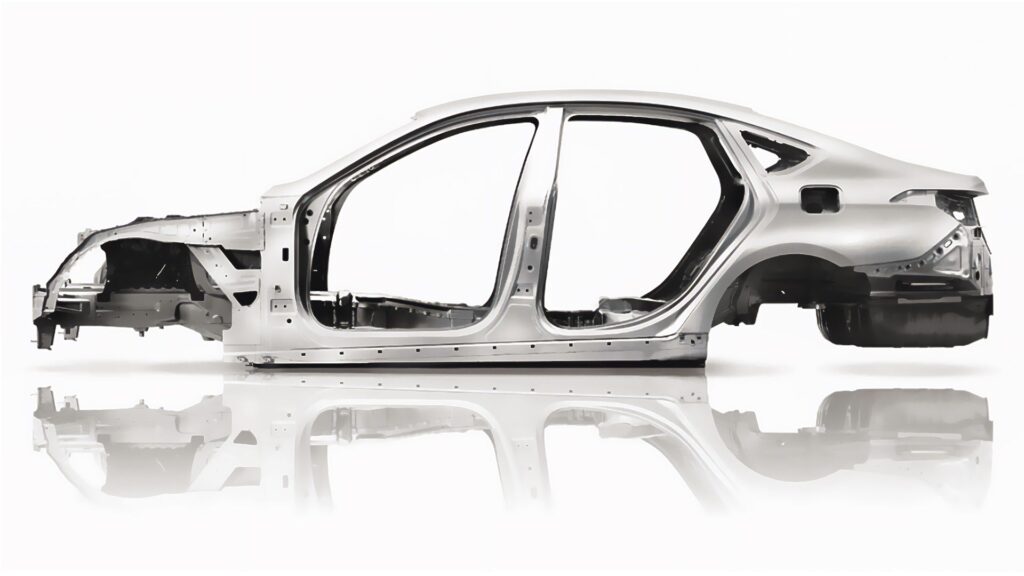
Hyundai Steel owns the project together with POSCO, Hyundai Motor Company and Kia through a joint venture, Hyundai-POSCO Louisiana Steel. The design pairs a direct reduction plant, which makes iron on site using natural gas, with two electric arc furnaces, and Hyundai Motor Group says no other North American mill is built that way. The group’s September 4 groundbreaking release put first commercial output in 2029 and yearly capacity at 2.7 million metric tons of mostly automotive sheet. It claimed carbon emissions roughly 70% below Hyundai Steel’s Korean blast furnaces, said the gas could be swapped for hydrogen once supply allows, and counted 1,300 jobs at the mill itself.
For Hyundai’s American business, the stakes are the supply chain. The group says the Louisiana steel is meant for Hyundai’s Alabama plant, Kia’s Georgia plant and the Metaplant, as well as other carmakers. Nothing changes for cars on dealer lots today, but the mill is a central part of Hyundai’s $26 billion US investment pledge through 2028, and it is how the company plans to make more of its American cars from American steel.
This is the second legal fight over the mill this week. On Tuesday, a judge dismissed, on timing grounds, a separate suit by other groups over the public bonds for the mill’s riverfront dock.
The HyundaiHQ Take
This one matters more than the dock case. The dock suit was about how a port board gave notice of a meeting; this suit goes at the permit that decides what the mill may put into the air, and it leans on the public-trust duty the Louisiana constitution places on the agency, which is a much harder argument for the state to wave away on a technicality.
Hyundai has given its opponents an opening with its own words. The company sold this mill as a low-carbon plant that will move to hydrogen, and the groups are asking a court to make the state require some of that in writing rather than leave it as a promise. The quickest way through for Hyundai may be to commit to more of the cleaner equipment it already talks about, because a court sending the permit back would cost far more time than the equipment would cost money.
Related
Hyundai’s Rally Exit May Last Only Until April
Hyundai shut down its factory World Rally Championship team at the end of this season, but a top-class Hyundai may be back on the stages within months.

Kia’s Second India Plant Moves From Handshake to Paperwork
Kia's planned second car plant in India has moved from a signed memorandum to a formal proposal in front of the Andhra Pradesh government.

Hyundai’s Work Van Is Headed to Korea’s Fading Fishing Towns
Hyundai will build custom versions of its ST1 commercial van for South Korea's fishing villages, where shrinking and aging populations have left many communities short of shops, transport…
Comments (0)
Join the discussion