Hyundai and Kia Have a New Cost Problem, and It Is Made of Metal
The copper price in Hyundai's third-quarter report is 35.1 percent higher than last year's average, and aluminum is up 26.4 percent.
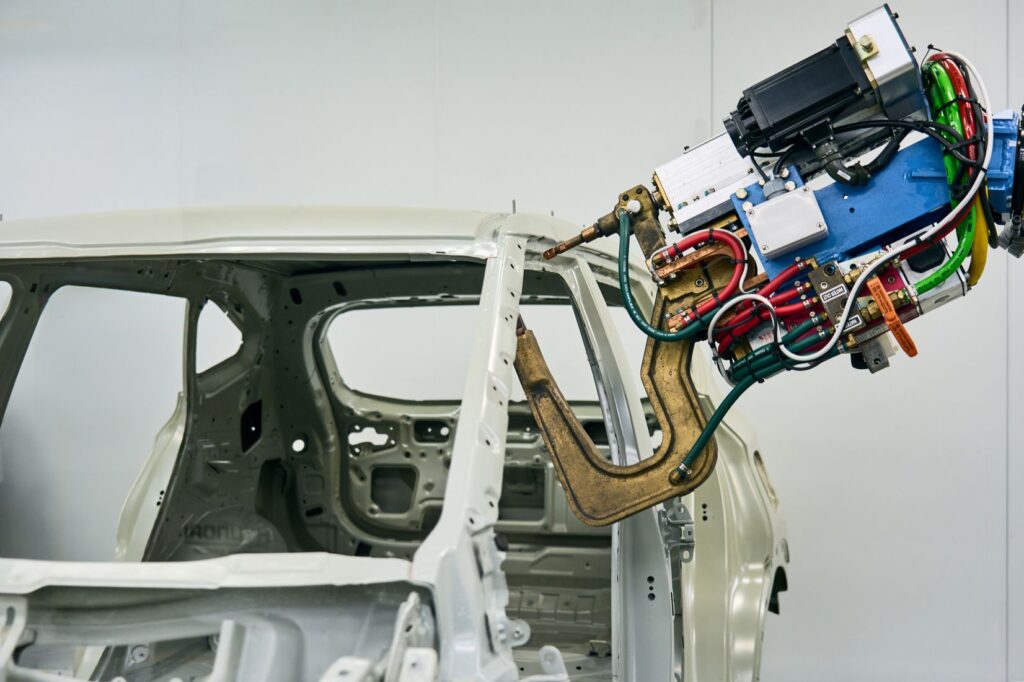
The copper price in Hyundai’s third-quarter report is 35.1 percent higher than last year’s average, and aluminum is up 26.4 percent. At Kia, the rising cost of materials took 368 billion won out of operating profit in those three months alone.
Copper reached $13,434 a metric ton in Hyundai’s accounting, compared with an average of $9,945 in 2025. Aluminum went from $2,632 to $3,328.
The numbers come from the two companies’ regulatory filings, according to a report by Korea’s Kukmin Ilbo, and Hyundai has not confirmed how much the increases cost it. A Hyundai Motor Group official told the newspaper that material-related losses could carry on through the fourth quarter and that the group will act to improve the profitability of electric vehicles and other core products.
Currency made the quarter worse below the operating line. The won averaged 1,418.62 to the dollar, compared with 1,501.64 in the second quarter, and a stronger won shrinks what dollar sales are worth at home. Hyundai booked 716.5 billion won in foreign exchange losses and Kia about 749 billion won, counting both completed transactions and the revaluation of foreign-currency assets and debts.
| Third quarter 2026 | Hyundai | Kia |
|---|---|---|
| Operating profit, change from 2025 | +5.5% | +24.3% |
| Net profit, change from 2025 | -24.2% | -9.6% |
| Net profit | 1.93 trillion won | 1.29 trillion won |
| Foreign exchange losses | 716.5 billion won | About 749 billion won |
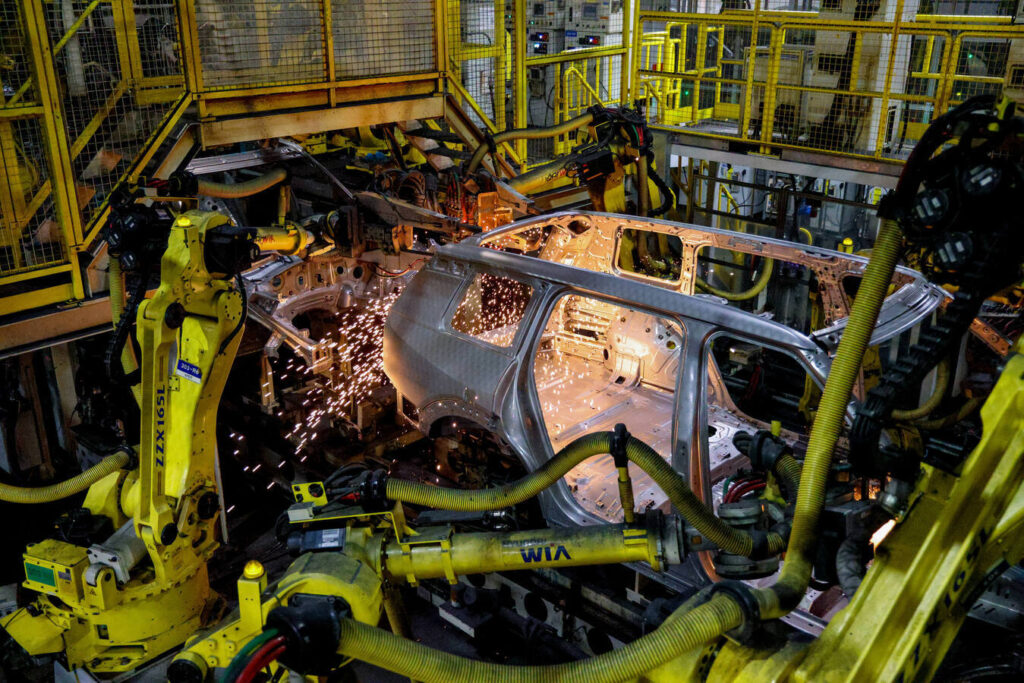
The table explains why a quarter that looked healthy at the operating level did not stay that way. Both companies earned more from running the business than a year earlier, and both ended up with less net profit.
For US buyers, the pressure arrives while tariffs are already a major expense for both brands. Neither company has tied a US price increase to metal costs, but materials, currency and tariffs all draw on the same margin that pays for rebates and cheap leases here.
The HyundaiHQ Take
We would watch incentives before sticker prices. Automakers hate announcing increases in a competitive market, and it is far easier to trim a lease subsidy or drop a cash offer when costs climb. Copper is the number that should bother Hyundai most, because hybrids and EVs use more of it than gasoline cars, and those are exactly the models the company is counting on. Anyone looking at an electrified Hyundai or Kia with a strong deal attached this winter has little reason to wait for a better one.
Related
Hyundai’s Parts Maker Will Help Stop and Steer Rival Cars
The company behind many of the components in a Hyundai, Kia or Genesis has been hired for two safety-critical jobs on other brands' vehicles.
America Lost the Kona N Line, but a New One Is Testing
American Kona buyers have gone without an N Line since the 2025 model year ended, and the next generation may give Hyundai a reason to bring it back.

Hyundai Isn’t Ready for an All-SUV America
Hyundai's product planners still see a reason to spend money on sedans, and tight household budgets are a big part of it.
Comments (0)
Join the discussion