Genesis Says Its Hybrids Could Pay for a G90 Wagon
The G90 wagon Genesis showed last December has no production plan, but a senior planner says the new hybrids could change that.
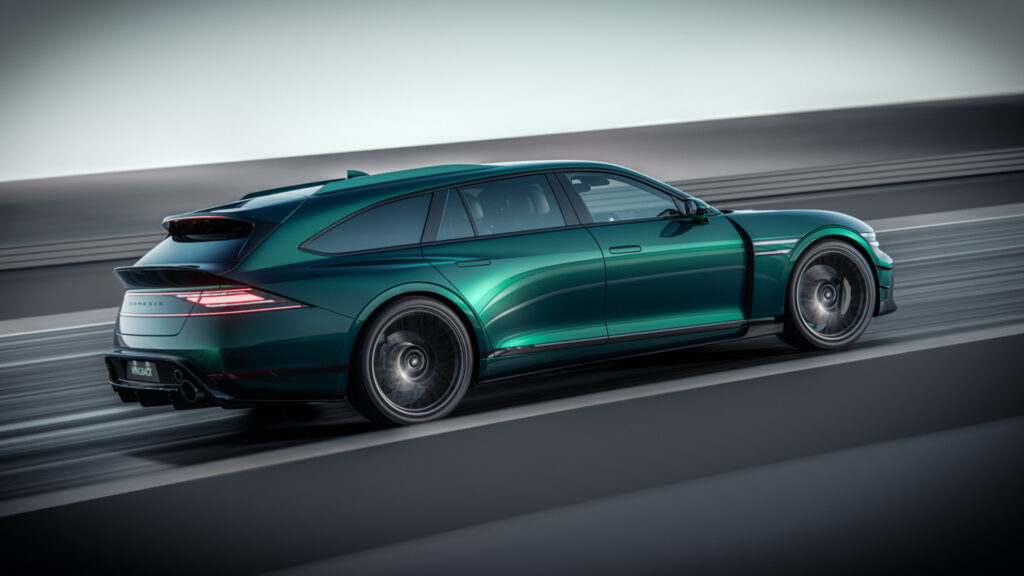
The G90 wagon Genesis showed last December has no production plan, but a senior planner says the new hybrids could change that. The idea is simple: profitable, high-selling crossovers would give Genesis room to build a few niche cars for enthusiasts, and the G90 Wingback was named as one of them.
Genesis has made no commitment to build the wagon, and it has not said whether a production version would come to the United States. Instead, the wagon’s chances now hang on how well the hybrid versions of the GV80 and G80, shown in Los Angeles this week, sell.
Ash Corson, director of product planning for Genesis in North America, made the case in an interview with The Drive at the show. "The meat and potatoes, the new hybrids in our core SUVs, high volume, that’s gonna really enable a lot of these opportunities," Corson said, pointing to the GV60 Magma and the GV90 as signs that Genesis is already willing to take bigger swings.
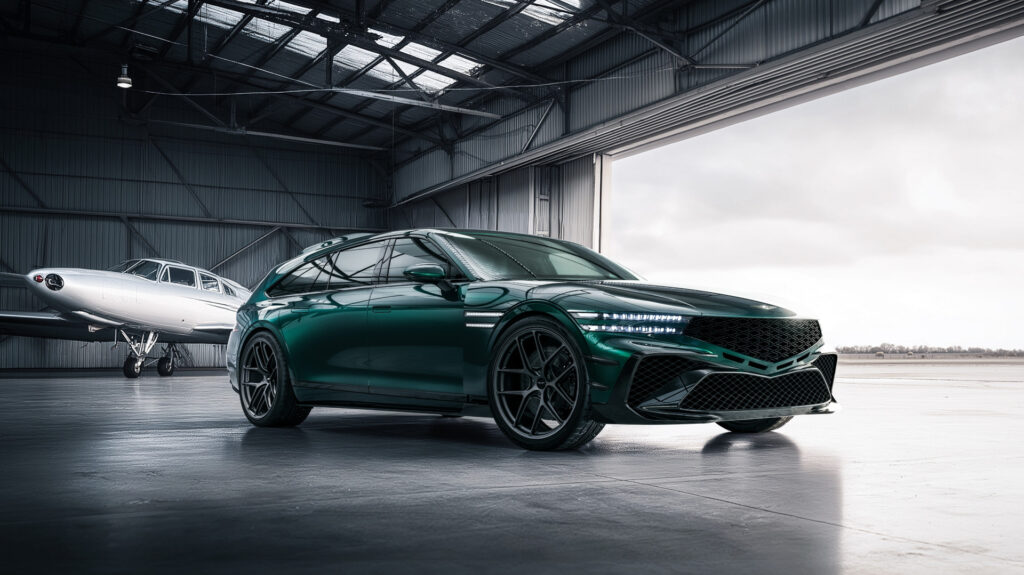
He was candid that a car like the Wingback is a hard sell on paper. Genesis has to weigh what a low-volume model does for the brand and the enthusiasts it attracts, he said, adding that the business case for such cars is "a little more niche in terms of the number of people who actually will commit their money to that, especially for this market." Corson pointed to the G70 Shooting Brake, a wagon Genesis sells in Korea but has never offered here, as proof the brand has taken that kind of chance before.
The Wingback made its debut on December 9, 2025, at Circuit Paul Ricard in Le Castellet, France, where Genesis marked its tenth anniversary and premiered the GV60 Magma, according to the Genesis newsroom. Chief creative officer Luc Donckerwolke drove it onto the stage himself and called it a "bridge between Magma and the One of One bespoke program," the brand’s custom-build service.
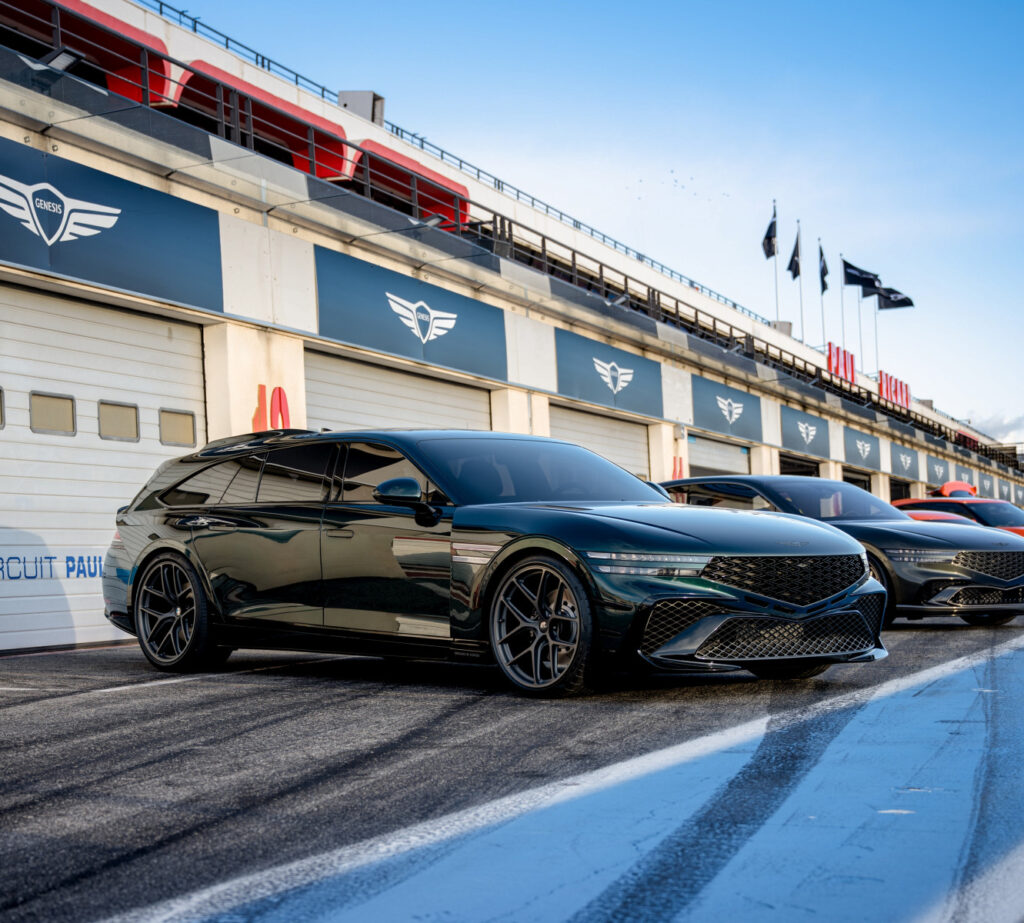
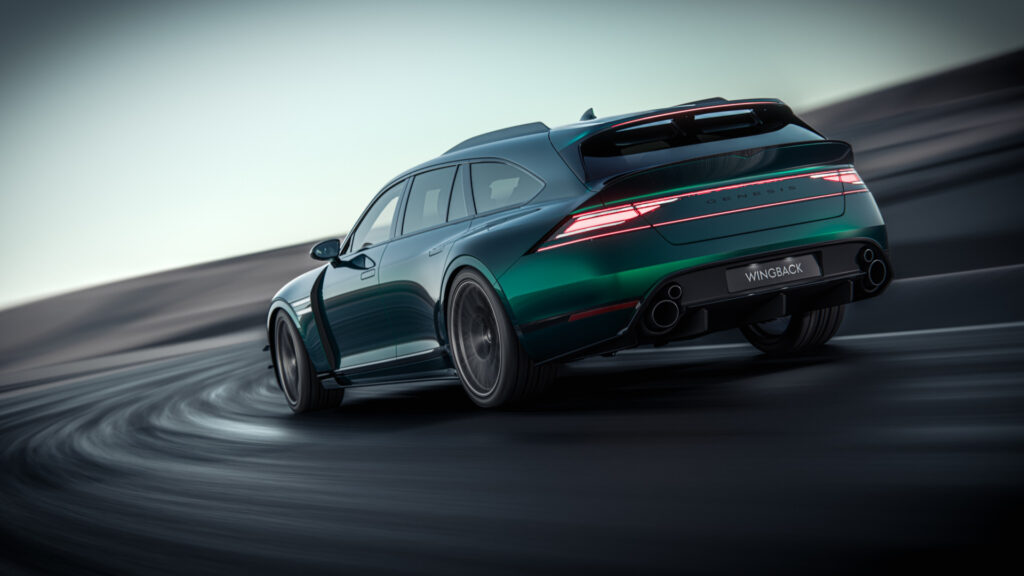
Underneath sits an unaltered G90 sedan platform, so the wheelbase stays at 3.2 meters and the car measures 5.1 meters from end to end. Genesis stretched the roof back to a tailgate with steeply raked glass between two spoilers, widened the wheel arches over 22-inch wheels and gave the nose a reshaped bumper with large intakes, canards and a Magma badge. The car is painted a deep green rather than the Magma program’s usual orange.
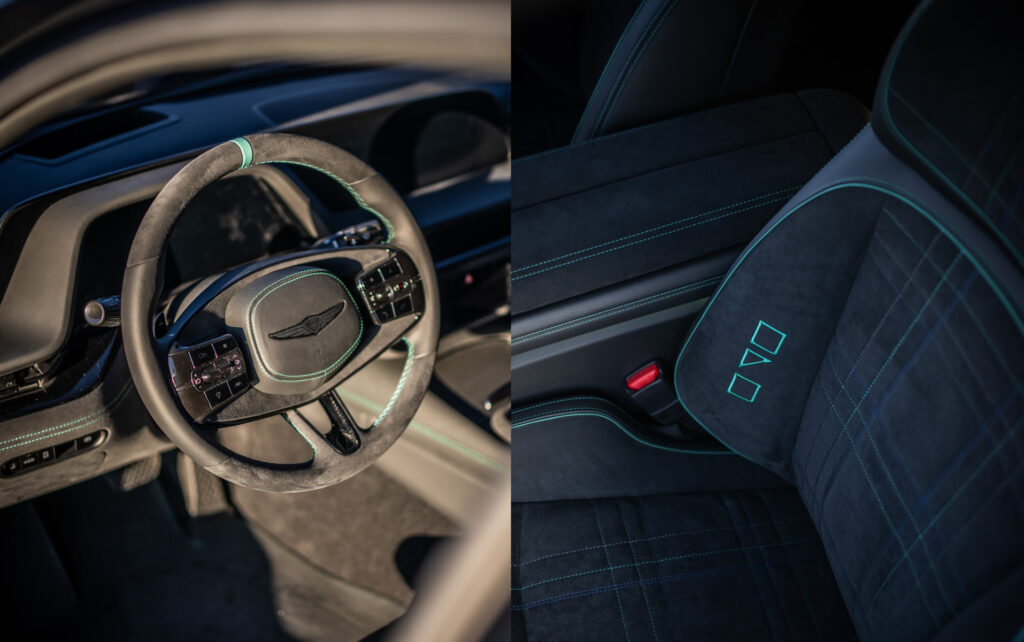
The cabin is covered in Chamude, Genesis’s suede-like trim, quilted across seats and doors and finished with green stitching and a Magma emblem sewn into each seatback. At the reveal Donckerwolke argued that the market’s rush to SUVs will eventually saturate and make other body styles attractive again.
For American buyers the order of events matters. The GV80 and G80 hybrids are the cars that have to sell first, and only then does a big Genesis wagon become a realistic conversation. The G90 sedan the Wingback is based on is sold here today.
The HyundaiHQ Take
This is the most honest answer a product planner can give about a dream car: it depends on the boring cars selling. It is also the right order of operations. Genesis cannot afford a halo wagon until the hybrids do the heavy lifting, and if they do, the Wingback is the concept most worth building.
A G90 wagon would sell in tiny numbers in America, and that is fine. It would give Genesis something BMW and Audi buyers notice, and it would cost far less to engineer than a clean-sheet car because the platform is already done. If the hybrids hit, Genesis should spend the goodwill here first.
Related
Genesis G90 Deals for November 2026: Leases From $1,039 a Month
Genesis is offering the 2026 Genesis G90 3.5T AWD on a lease from $1,039 a month and financing from 2.99% for 48 months on the 2026 Genesis G90…
2023-2026 Genesis and Hyundai Models Recalled Over Seat Belt Issue
In April 2026, Hyundai Motor America began recalling select 2023-2026 Genesis and Hyundai vehicles across 3 models over a seat belt issue.
Genesis Is Claiming Names in a Country Where It Sells Nothing
Genesis has filed a batch of new model-name trademarks in Argentina, a country where the luxury brand does not sell cars, and the names point toward body styles…
Comments (0)
Join the discussion