Hyundai’s CEO Knocked on Tata’s Door, and Honda Walked Further In
Hyundai chief executive José Muñoz has called on the chairman of India's Tata group in Mumbai, joining the carmakers sounding out Tata as a partner.
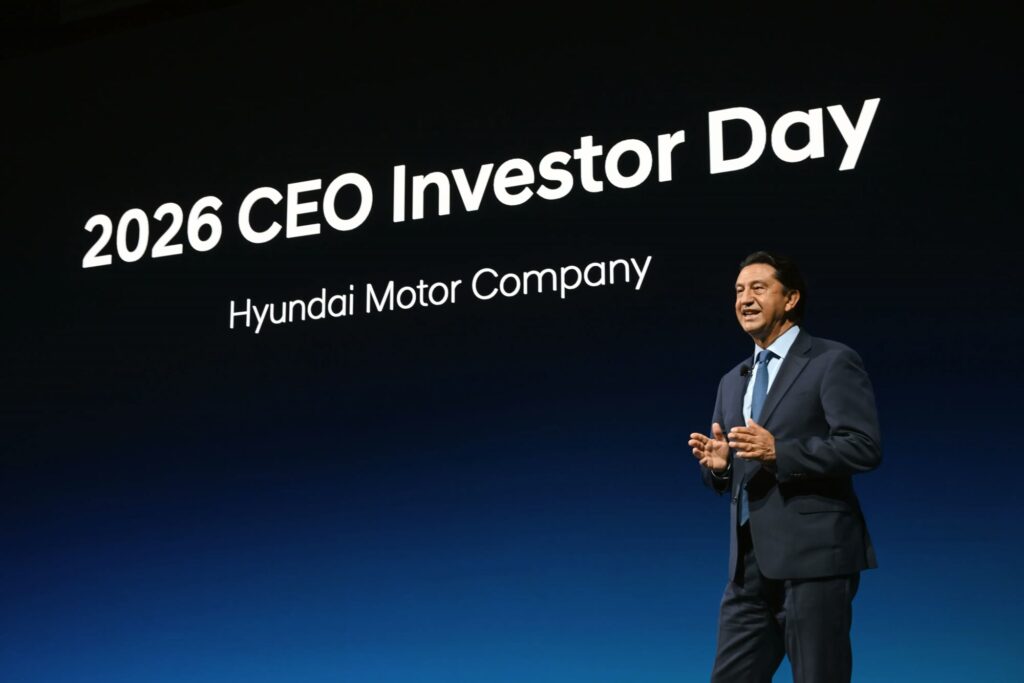
Hyundai chief executive José Muñoz has called on the chairman of India’s Tata group in Mumbai, joining the carmakers sounding out Tata as a partner. Nothing has come of it yet, and the meeting is being described as a courtesy call rather than the start of a deal.
Honda is further along. Its talks with Tata have covered engineering and software work and, more strikingly, the idea of selling Tata-built cars and electric vehicles in India with Honda badges, while Stellantis has already signed up to use Tata vehicle technology for future Jeeps.
The meetings were reported on November 18 by Autocar Professional, according to people familiar with them, and Hyundai has not confirmed the visit. The trade paper said Muñoz called on N Chandrasekaran, chairman of Tata Sons, and that possible areas of cooperation may have come up, but that the meeting produced no specific project. It did not give a date for the visit. Hyundai and Tata Motors did not answer the paper’s emails, and Honda Cars India said it does not comment on speculation.
Tata’s businesses cover most of what goes into a car. Tata Motors builds passenger cars and EVs, Tata AutoComp makes components, Agratas makes batteries, Tata Technologies sells engineering services, and Tata Elxsi and Tata Consultancy Services work on software and digital systems. Honda’s conversations, the paper said, have touched almost all of them, and with Tata Motors they have included rebadging combustion cars and sharing EV architectures, though there is no agreed model, supply plan or timetable.
For Hyundai, the interest follows a heavy commitment to India. The trade paper put the group’s pledge at $15.5 billion over the seven years to 2032, spread across Hyundai and Kia factory capacity, research, suppliers and new mobility ventures, and said a Hyundai investment arm is being set up in India specifically to look for local partners. Hyundai Motor India opened its second plant, at Talegaon near Pune, in October, and Kia India announced on November 12 that it will invest $2 billion in a second plant in Andhra Pradesh.
Why it matters in the US
Hyundai and Tata compete head-on in India, where Hyundai’s Creta and Tata’s SUVs chase the same buyers, so any cooperation would most likely sit in parts, batteries, engineering or software rather than shared cars. None of that would reach American showrooms directly, and the cars Hyundai sells in the US are not built in India. The meeting matters here mainly as a sign of where Muñoz is spending his attention: the group has pledged $15.5 billion to India over seven years, and how much of that Hyundai pays for itself, rather than through partners, shapes what is left for everything else.
The HyundaiHQ Take
A courtesy call is not a contract, and Hyundai has every reason to be careful about getting close to a direct rival in one of its biggest markets. Still, a CEO does not cross Mumbai for small talk. The most plausible outcome is a supplier or engineering arrangement, the kind of deal that never makes a headline but trims costs out of every car.
Honda’s talks are the bigger story for now. If Honda ends up selling rebadged Tata EVs in India, Hyundai will face a Japanese rival with a fast, cheap route into the segment, and Muñoz will want to know exactly what Tata is willing to share before anyone else signs.
Related

Hyundai’s Rally Exit May Last Only Until April
Hyundai shut down its factory World Rally Championship team at the end of this season, but a top-class Hyundai may be back on the stages within months.

Kia’s Second India Plant Moves From Handshake to Paperwork
Kia's planned second car plant in India has moved from a signed memorandum to a formal proposal in front of the Andhra Pradesh government.

Hyundai’s Work Van Is Headed to Korea’s Fading Fishing Towns
Hyundai will build custom versions of its ST1 commercial van for South Korea's fishing villages, where shrinking and aging populations have left many communities short of shops, transport…
Comments (0)
Join the discussion