Hyundai Made More Money on Fewer Cars Last Quarter
Hyundai Motor Company's operating profit rose 5.5 percent to 2.68 trillion won in the third quarter even though it shipped 11.3 percent fewer vehicles.
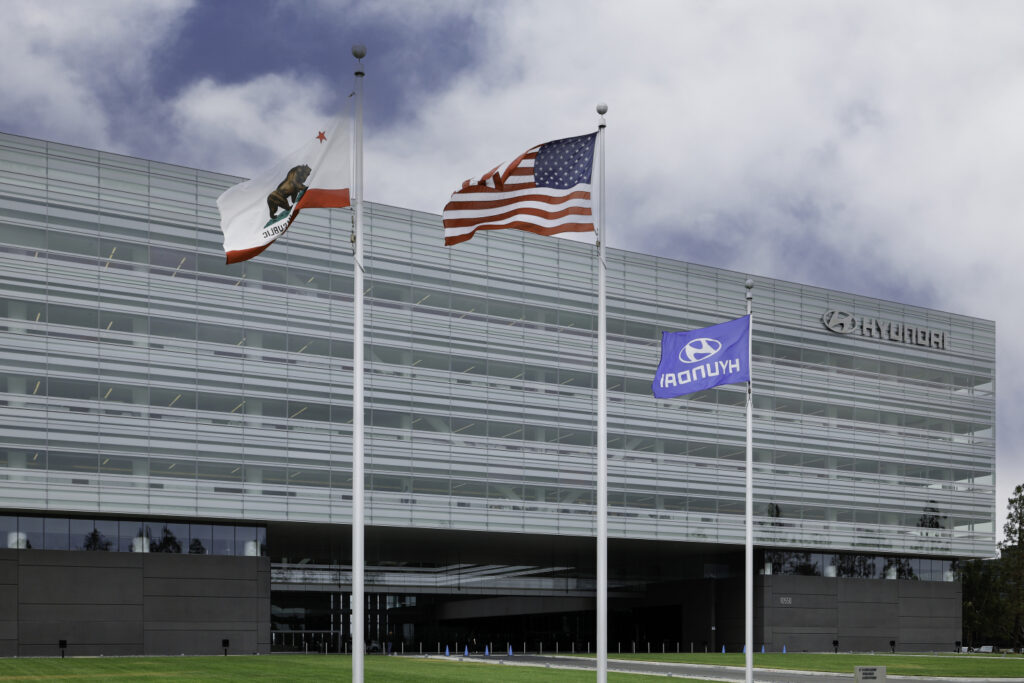
Hyundai Motor Company’s operating profit rose 5.5 percent to 2.68 trillion won in the third quarter even though it shipped 11.3 percent fewer vehicles. Revenue slipped 3.4 percent and net profit fell by nearly a quarter.
Revenue came in at 45.11 trillion won, net profit fell 24.2 percent to 1.93 trillion won, and global wholesale volume dropped to 920,710 units as strikes in Korea and fewer working days around the autumn holidays cut production. The operating margin still improved by half a point to 5.9 percent, which Hyundai credited to a favorable exchange rate, cost cutting and a richer mix of hybrids. Hybrids reached 18.2 percent of global sales at 167,414 units, up 3.8 percent, while electric vehicle sales fell 9.2 percent to 69,117 and sales in Korea itself fell 27.2 percent.
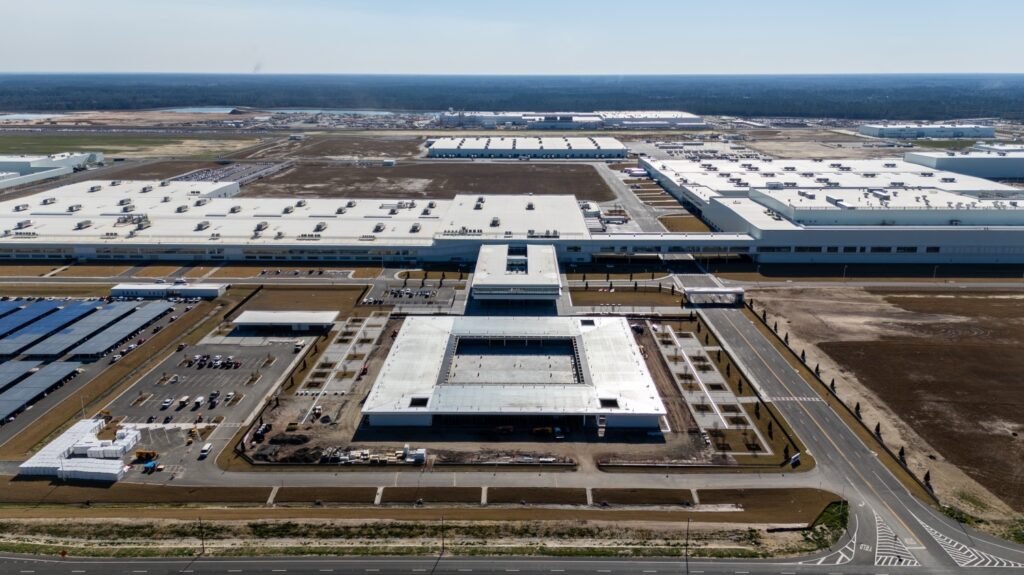
Hyundai released the results on October 29 in Seoul. Reuters reported that the profit beat the 2.4 trillion won forecast from LSEG SmartEstimate, which weights the analysts with the better track record, and that the favorable exchange rate offset partial strikes and weaker sales of aging models. Hyundai gave no dollar figures. At the quarter’s average rate of 1,423 won to the dollar, which The Korea Times reported the company cited, the operating profit works out to about $1.9 billion on revenue of roughly $31.7 billion.
The US was the bright spot. Hyundai said its US market share stayed in the 6 percent range for a sixth straight quarter on the strength of hybrid sales, and on the earnings call its head of investor relations, Michael Yoon, said US retail sales rose 3.5 percent in a market that shrank 1.3 percent, for a 6.6 percent share, according to a transcript. US hybrid sales grew 18.4 percent and made up 26.8 percent of Hyundai’s US volume. Wholesale shipments to the US fell 9.9 percent to 232,000, a gap that reflects the lost Korean production rather than demand, since Hyundai Motor America had already reported its best third quarter ever at 246,896 retail sales. In the company’s regional retail report, North America was up 3.2 percent to 325,098 while Europe fell 18.3 percent and China was cut in half.
Tariffs remain the biggest drag. Seung Jo Lee, Hyundai’s head of planning and finance, said on the call that US tariffs cost the company about 4 trillion won last year and that it expects a similar hit this year, with the lower rate under the US-Korea trade deal softening the blow without removing it. Hyundai also said higher fixed costs from the lost production and rising raw material prices weighed on the quarter, and Lee put the exchange rate benefit at about 500 billion won, with the won averaging 38.1 won weaker against the dollar than a year earlier.
The company cut its forecast for the year. It now expects to wholesale 4 million vehicles instead of 4.16 million and to earn an operating margin of 5.5 to 6.5 percent instead of 6.3 to 7.3 percent, and it trimmed its automotive investment plan to 16 trillion won from 17.8 trillion, while keeping its revenue growth target of 1 to 2 percent and its quarterly dividend of 2,500 won a share. Hyundai said the revision reflects weaker global demand, production disruptions and raw material costs rather than weaker competitiveness, and it is counting on the all-new Tucson and the all-new Elantra to lift sales. Reuters noted that the cut comes after Hyundai held its guidance in July expecting a second-half recovery from a supplier fire, and quoted analysts pointing to Chinese EV makers gaining ground in Korea and Europe and to Hyundai’s thin lineup of affordable EVs.
For US buyers the fourth quarter brings the new Tucson and the Genesis GV80 Hybrid, with the Genesis GV90 due early next year, and Lee said Hyundai expects incentives to come down as the new models launch, so the deals on outgoing 2026 stock are likely to be the best ones for a while. Korean plants have run normally since September, which should refill the US inventory that the strike and the supplier fire had thinned.
The HyundaiHQ Take
The profit beat is real but it was handed to Hyundai by the currency market and by American hybrid buyers, not by anything it fixed in Korea, and the numbers that matter for this side of the Pacific are the 4 trillion won tariff bill and the 232,000 US shipments that never left the dock. Hyundai is paying roughly the price of a new assembly plant every year to keep importing cars, which is exactly why Alabama is getting the Tucson Hybrid and Georgia is getting more capacity. The forecast cut is the honest part of this report, because a company that just lost a quarter of its home-market volume to a strike should not be promising the same margin it did in January, and US shoppers should read the incentive comment plainly: the discounts get thinner once the new Tucson and Elantra show up.
Related
Kia Set a Sales Record in September While Its EVs Fell
Kia America sold 77,009 vehicles in September, its best September ever, and pushed third-quarter sales to a record 236,659.

All-New Tucson Debuts in New York With a 42-MPG Target
The all-new 2027 Hyundai Tucson made its world premiere in New York on October 1 as a bigger, squarer compact SUV with a hybrid Hyundai is targeting at…
EV6 Sales Collapse Inside Kia’s Record September
Kia sold 835 EV6s in September, down 61 percent from a year earlier, in the same month the brand posted the best September and the best quarter in…
Comments (0)
Join the discussion