Kia Grew 16% in Europe in October While Hyundai Fell 19%
Hyundai and Kia went in opposite directions in Europe last month.
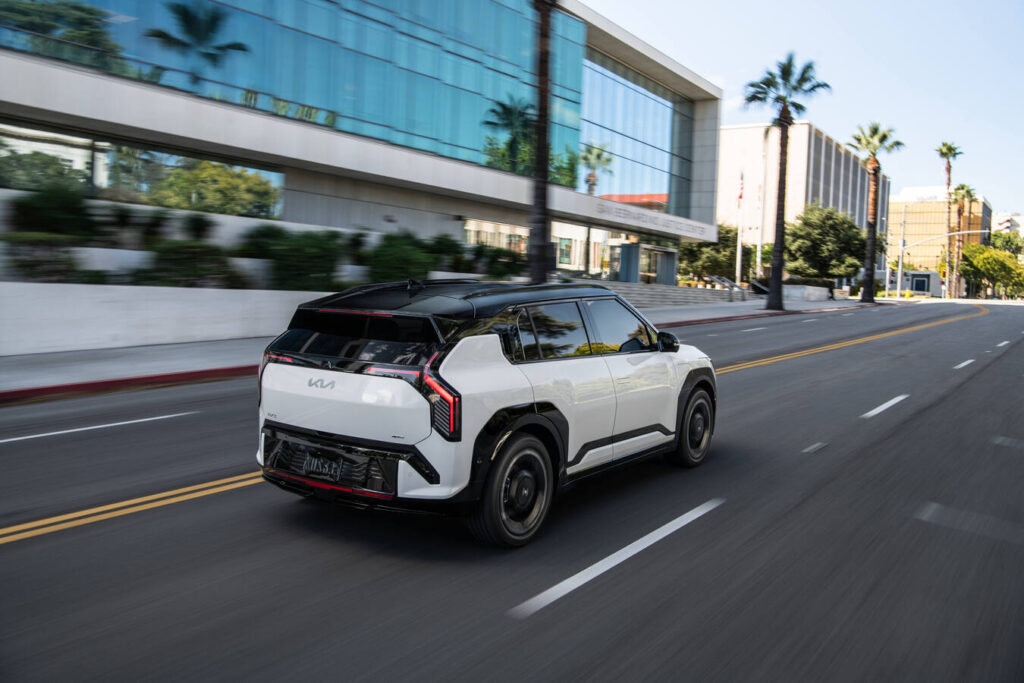
Hyundai and Kia went in opposite directions in Europe last month. Kia’s registrations rose 15.7 percent from a year earlier to 46,760, while Hyundai’s fell 18.8 percent to 33,245, leaving the two brands with a combined 80,005 sales in October, down 1.7 percent from 81,358.
The drop came in a market that grew. Overall registrations across Europe rose 3.4 percent to 1,128,252, so the pair’s combined share slipped 0.4 of a point to 7.1 percent. Over the first ten months of the year the two brands have sold 850,830 vehicles, 3.2 percent fewer than the 879,276 of the same stretch in 2025, and their share for the year so far stands at 7.3 percent, down 0.7 of a point.
The numbers are the Brussels industry group ACEA’s registration count for the month, as reported by Yonhap and carried by Korea JoongAng Daily on November 24.
Hyundai pointed at its own lineup change for much of the damage. "Hyundai recently discontinued production of the i10, a mass-market model, in Europe to make way for the Ioniq 3. However, the new model has yet to gain traction among local customers," a company spokesperson told the agency, adding that gains by Chinese carmakers in Europe also weighed on the month.
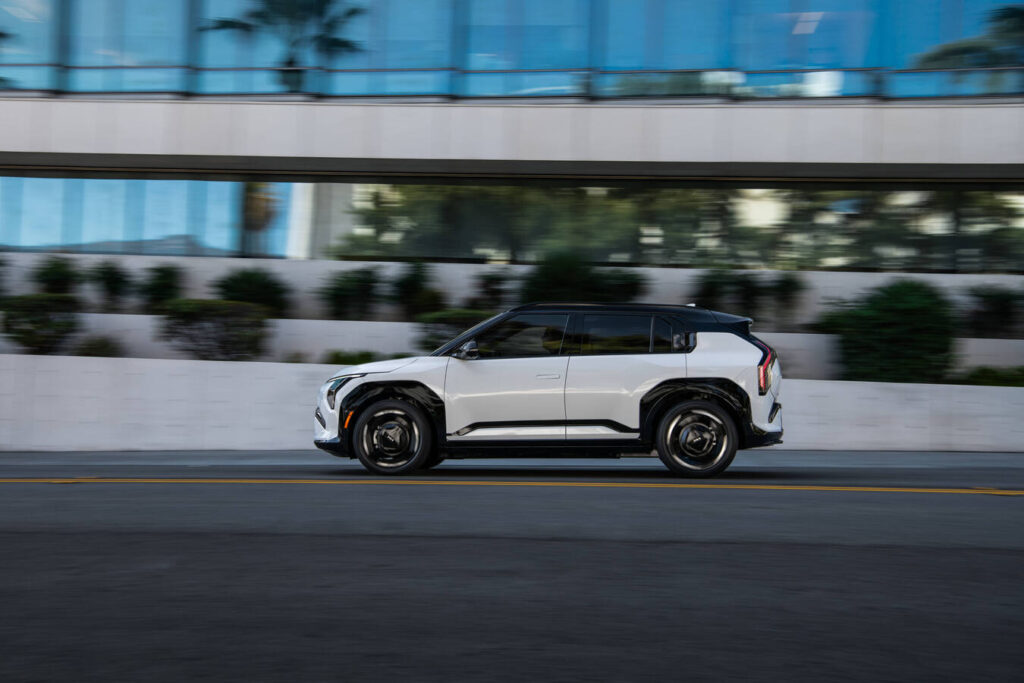
The models both companies are leaning on in the region are their electrified ones. For Hyundai that means the Tucson hybrid and plug-in hybrid and the electric Kona, and for Kia the electric EV3 and the Niro plug-in hybrid, according to the same report.
None of this touches American showrooms directly. The i10 city car and the Ioniq 3 that replaces it are models Hyundai does not sell in the US, so the handover that hurt Hyundai in Europe has no counterpart here, where the Tucson and Kona carry on as before.
The HyundaiHQ Take
A nearly 35-point gap between two brands that share engines, platforms and a parent company is not a market problem, it is a product problem, and Hyundai has more or less admitted as much by blaming the gap between the i10 and the Ioniq 3. Kia has the newer small electric cars in Europe right now and it is being rewarded for it. For American buyers the takeaway is that the group’s European weakness is a Hyundai brand issue tied to a single model handover, not a sign that the cars sold here are losing their appeal.
More on the Tucson
Related
The Electric Kona May Not Be Finished Yet
A disguised third-generation Hyundai Kona spotted in Korea is expected to be the electric version, a model Hyundai was said to be dropping.

2019-2023 Hyundai Veloster N and Kona Electric Recalled Over Airbag Issue
Hyundai Motor America is recalling select 2019-2022 Hyundai Veloster N and 2019-2023 Hyundai Kona Electric models over an airbag issue.
2024-2026 Hyundai Kona and Kona Electric Recalled Over Seat Belt Issue
In July 2026, Hyundai Motor America began recalling select 2024-2026 Hyundai Kona and 2024-2025 Hyundai Kona Electric models over a seat belt issue.
Comments (0)
Join the discussion