Korea Wants to Fight Wildfires From an Electric Hyundai
South Korea's forest agency is about to find out whether a battery-electric van can run a wildfire response.
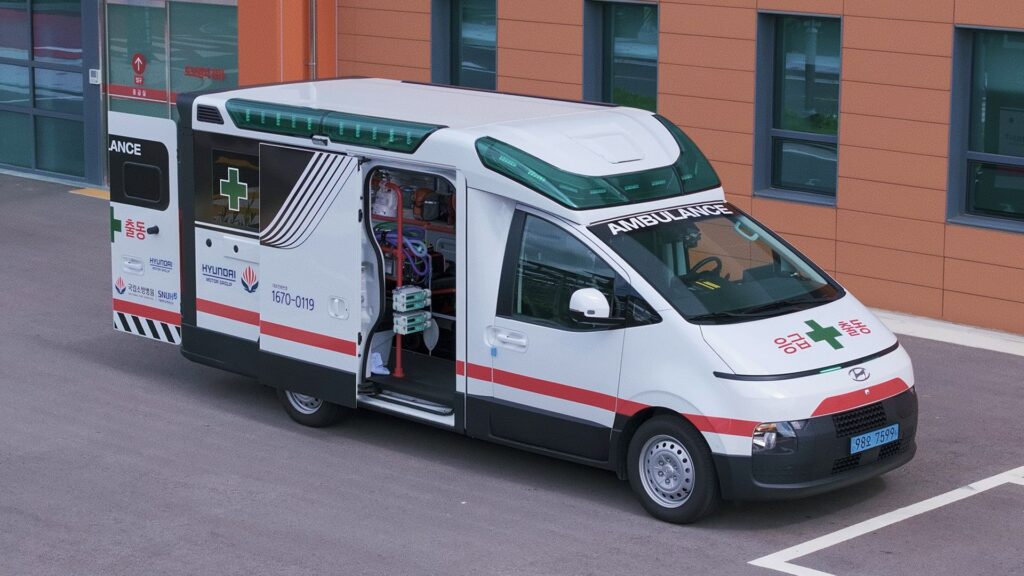
South Korea’s forest agency is about to find out whether a battery-electric van can run a wildfire response. Hyundai will lend the Korea Forest Service three of its ST1 commercial vans for a year, free of charge, and a specialist body builder will turn them into mobile command posts for crews on the fire line.
The hard part is power. A fire scene rarely has a dependable place to plug in, and a command vehicle may have to sit for hours with its radios, screens and other equipment running while the response plays out. The year-long trial is meant to show how much electricity that work really takes, and how charging can be planned around it.
The Korea Forest Service announced the agreement on November 23, after it was signed at the Government Complex in Daejeon. Lee Yong-kwon, the agency’s forest disaster control officer, signed alongside Yeom Jae-seop, who heads Hyundai’s domestic sales division, and Park Seong-heum, chief executive of Sehwa Motors, the special-vehicle company that will build the bodies.
Each party has its own job. Besides supplying the three vans, Hyundai will help put charging equipment in place and support the trial from start to finish. Sehwa Motors will fit out the ST1s to the agency’s requirements as wildfire field command vehicles. The Forest Service will run them in real conditions, keep track of travel and charging, measure the power drawn during long waits on standby and while the equipment is in use, and pass what it learns back to both companies so the vehicle can be improved.
"This agreement is a collaboration that combines corporate technology with the Korea Forest Service’s field experience to make the electrification of wildfire command vehicles concrete," Lee said in the release, adding that the agency would reflect what crews need in the field so a dependable vehicle suited to fire scenes can be developed. BusinessKorea also reported the agreement on Monday.
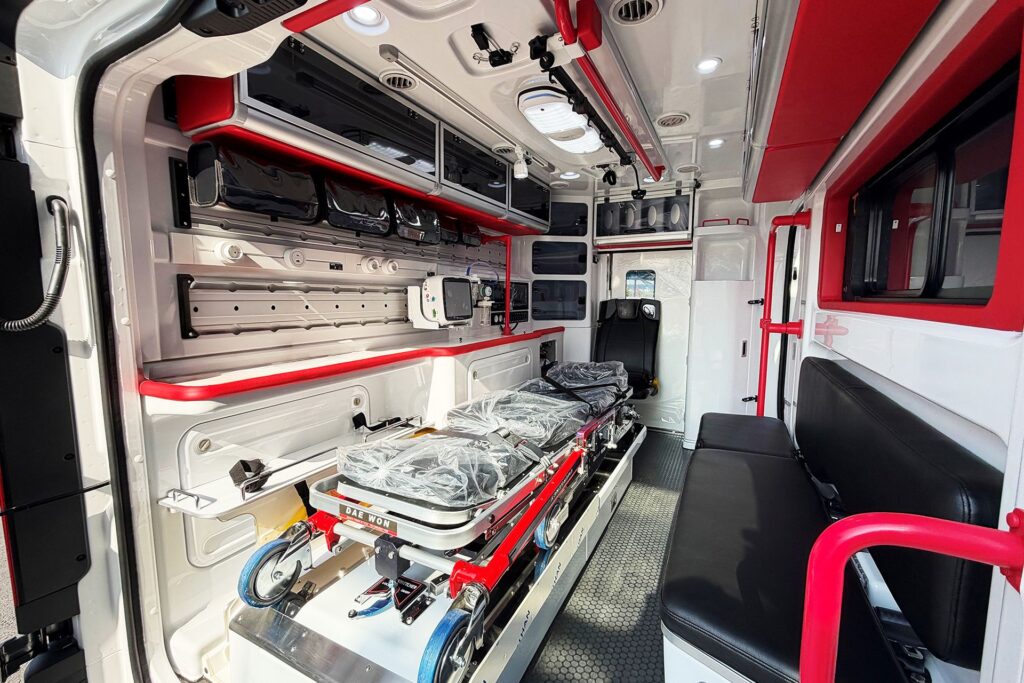
The wildfire trial is the latest public-service job for the ST1, which Hyundai sells in Korea as a chassis-cab platform meant to carry different bodies. Earlier this month Hyundai showed an ST1 ambulance built for the National Fire Hospital, and last week it agreed to develop custom versions for the country’s shrinking fishing villages. The ST1 is a Korean-market vehicle and is not sold in the United States.
The HyundaiHQ Take
A wildfire command post is close to the worst case for an electric vehicle: remote roads, no chargers, and hours of sitting still with the electronics on. That makes this a more honest test than another delivery route in a city, and the data on standby power draw is exactly what fleet buyers everywhere want to see. If the ST1 can keep a command crew online through a long fire, Hyundai has a far stronger argument for electric work vans than any range figure, including in places like the American West, where fire seasons keep getting longer.
Related
Kia Wants a Robot Under Your Seat to Clean Up After the Kids
Kia has patented a seat that cleans itself, using an in-car camera to spot a spill and a folding arm that comes out from under the cushion to…
Hyundai’s Coming Pickup Has No Buyers Yet, and It Knows It
Hyundai's coming body-on-frame pickup will have to take most of its buyers from other brands, because the company has never sold that kind of truck and has no…

Hyundai’s Hydrogen Arm Now Fuels a Quarter of Korea
A new hydrogen station on the eastern edge of Seoul opens for business on November 24, and it is the 60th one run by the Hyundai Motor Group…
Comments (0)
Join the discussion